Welcome to MJ Select.
We are Japanese seller. We ship authentic items from Japan.
Please enjoy shopping with peace of mind!
--------------------------------------------
【About Included Manuals】
If a manual is included, it will primarily be in Japanese. We recommend using image translation apps if needed.
【Voltage Compatibility】
When using electrical appliances, please note that they are designed for Japanese voltage specifications (90-110V), so if you use them with a different voltage, it may cause a malfunction.
【Plug Type】
Our products use Japanese plug types (A or B type).
Please use a conversion adapter if necessary.
【Important Note on Transformers and Adapters】
A transformer adjusts voltage to match your device’s requirements.
A conversion adapter only changes the plug shape and does not adjust voltage.
Using only a conversion adapter without a transformer may result in damage to the product.
【Liability】
We are not responsible for malfunctions or damages caused by improper use, such as operating the product without a transformer.
--------------------------------------------
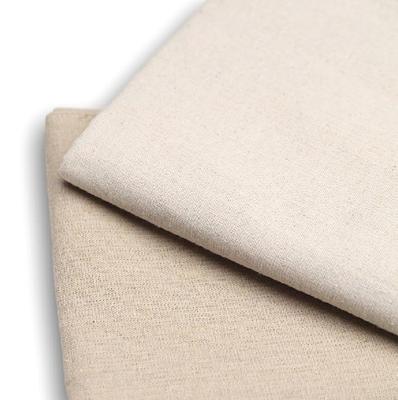
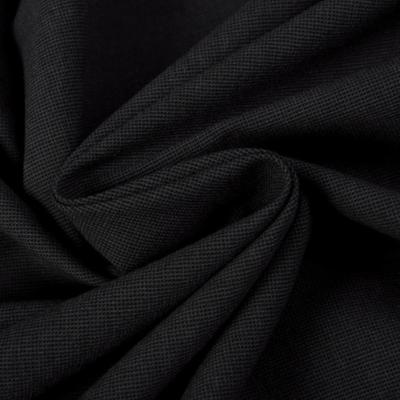
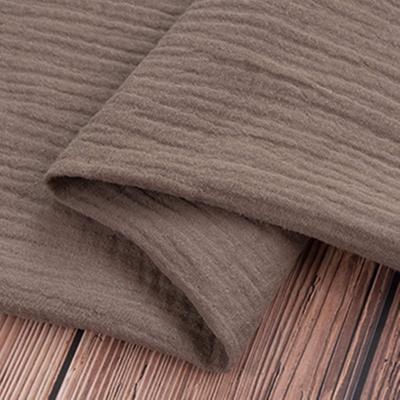
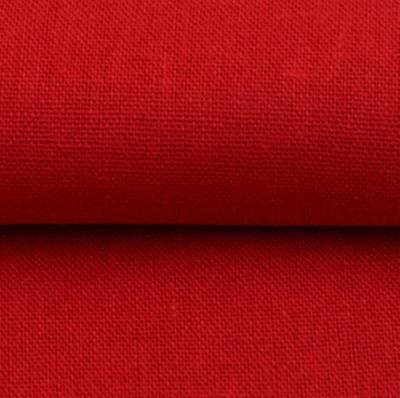
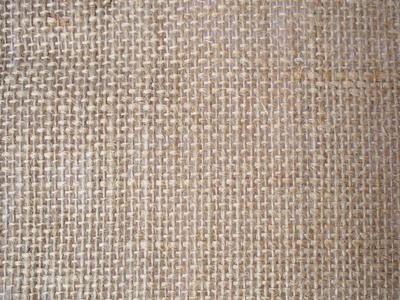
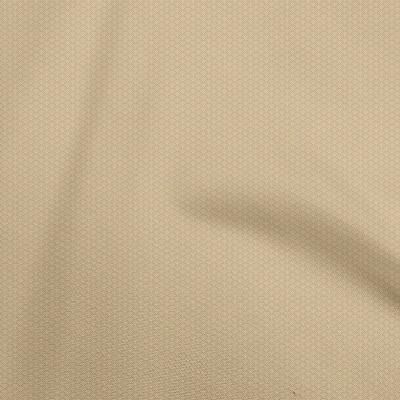
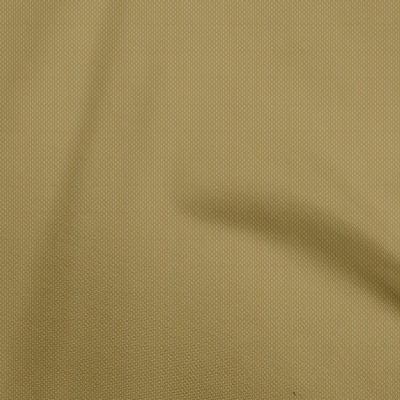
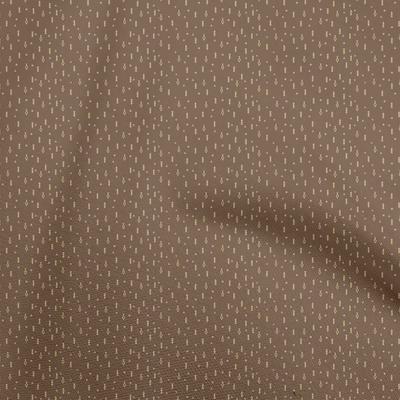
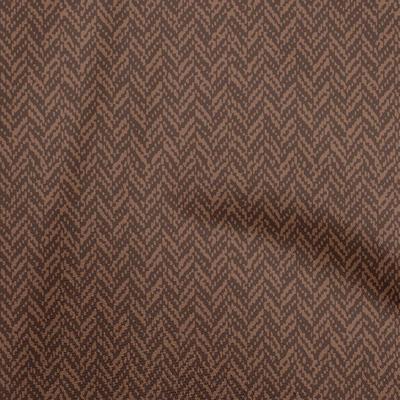
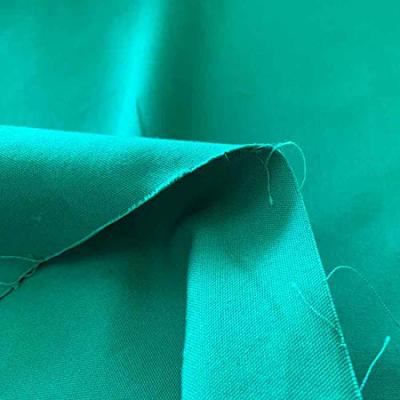
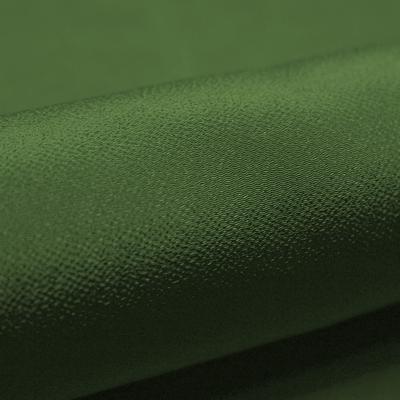
[☆Uses natural plant dyes. ] Do you know about persimmon tannin dyeing? Kakishibu dyeing is produced from August to September, when the persimmon fruit is green (the period when there is a lot of astringency). In the Yamashiro region of Kyoto, our ancestors cultivated astringent persimmons along with tea, and made various improvements to make astringent persimmons suitable for kakishibu-zukuri. In this way, the Yamashiro region of Kyoto has continued to this day as a production area for ``Tennogaki'', a persimmon suitable for making persimmon juices, and a representative production area for persimmon juices in Japan. Material: 100% cotton persimmon tangy dyed [4 colors]
[The main component of persimmon juice is a substance called tannin. ] Tannin is a type of polyphenol, a substance contained in all plants. For example, the cut side of an apple turns brown because the polyphenols contained in the apple are oxidized and discolored. Various plants contain polyphenols, but some researchers call persimmon tannin the strongest polyphenol in the plant world due to its strong protein adsorption ability.
[Persimmon tannin dyed fabric] Persimmon tannin dyeing strongly protects the fabric, has excellent antibacterial and deodorizing effects, and the more you use it, the more you can enjoy the color that changes over time. [Handling Precautions] Please note that due to the characteristics of natural plant-dyed materials, the color may fade due to sweat, water, friction, etc.
[Please confirm. ] Width size is 108cm [The width of the fabric changes from time to time to express the rustic texture of the material. ]★Please understand that there may be some weaving and scratches due to the characteristics and characteristics of natural materials.
[Applications] Can be used for a variety of productions such as tablecloths, mats, covers, curtains, curtains, patchwork aprons, wrapping cloths, hats, accessory cases, drawstring bags, bags, and making small items.
☆Uses natural plant dyes. Please note that due to the characteristics of natural vegetable-dyed materials, the color may fade due to sweat, water, friction, etc. Do you know about persimmon tannin dyeing? Kakishibu dyeing is produced from August to September, when the persimmon fruits are green (the period when they are most astringent). In the Yamashiro region of Kyoto, our ancestors cultivated astringent persimmons along with tea, and made various improvements to make astringent persimmons suitable for making persimmon juice. In this way, the Yamashiro region of Kyoto has continued to this day as a production area for ``Tennogaki'', a persimmon suitable for making persimmon juices, and a representative production area for persimmon juices in Japan. The main component of persimmon juice is a substance called tannin. Tannin is a type of polyphenol and is a substance found in all plants. For example, the cut side of an apple turns brown because the polyphenols contained in the apple are oxidized and discolored. Various plants contain polyphenols, but some researchers call persimmon tannin the strongest polyphenol in the plant world due to its strong protein adsorption ability. Persimmon tanning is a product that strongly protects canvas fabrics, has excellent antibacterial and deodorizing effects, and the more you use it, the more you can enjoy the color that changes over time.