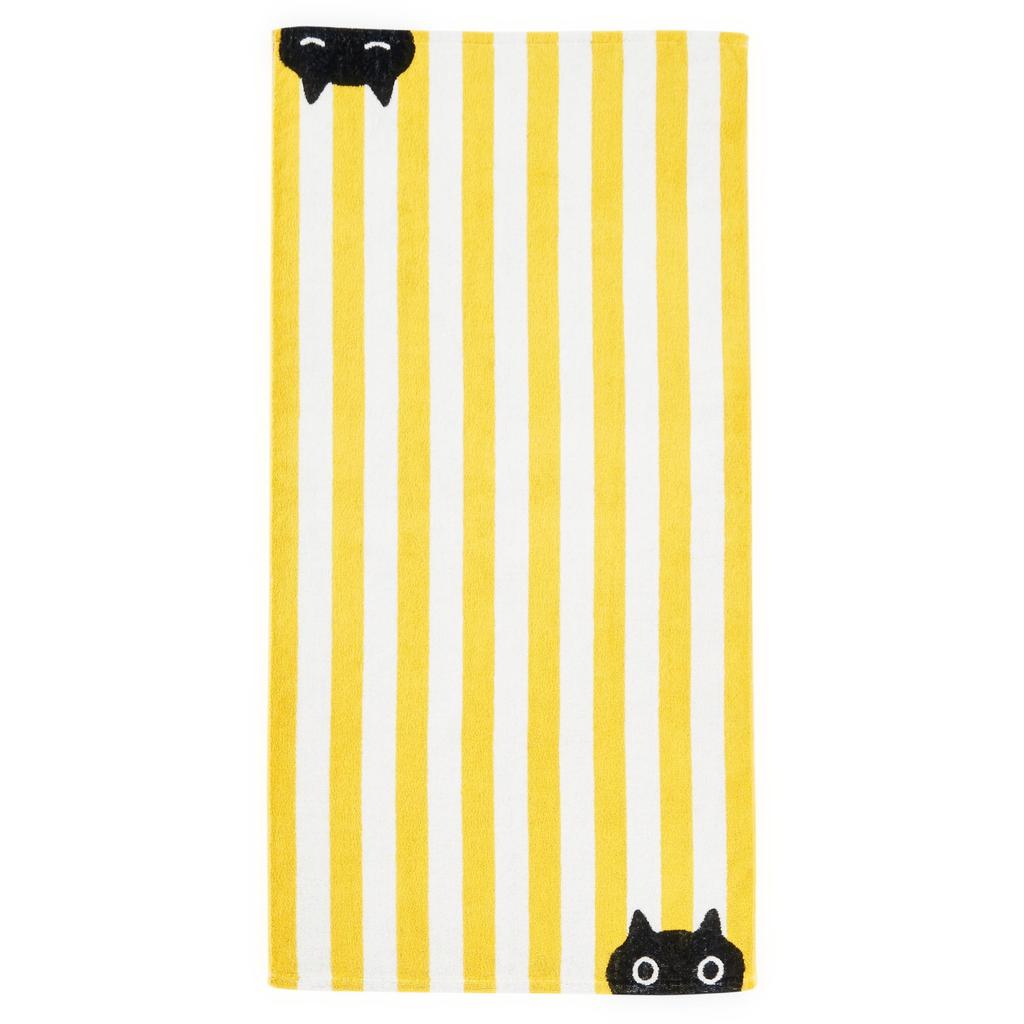
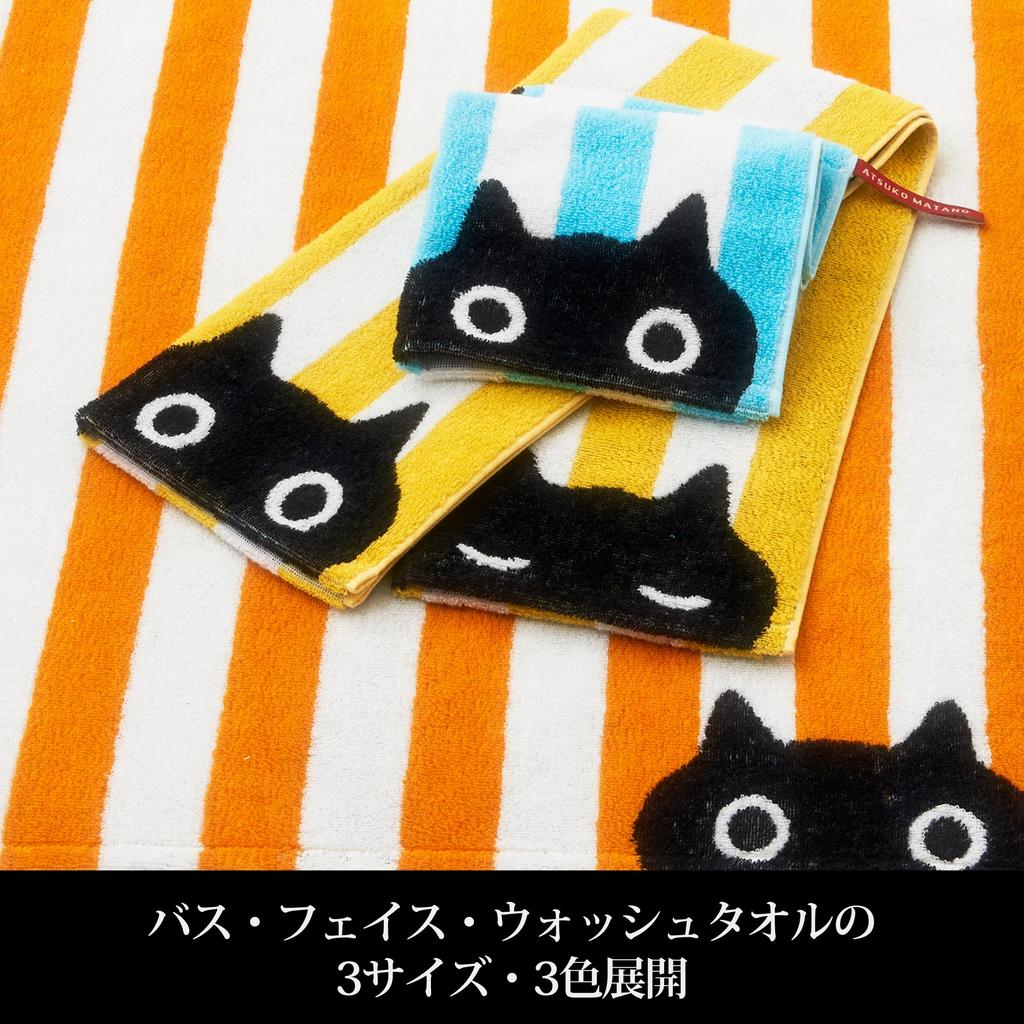
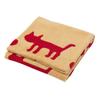
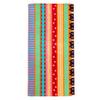
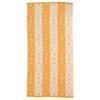
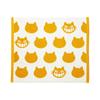
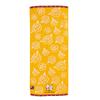
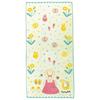
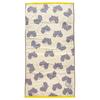
Country of origin: Made in Japan / Material: 100% cotton / Pure fabric / *Due to hand-dyeing, color fading may occur. *Color transfer may occur when wet. *Do not leave wet. *When washing, please hand wash separately from other items.
Size: Approximately 33cm x 90cm / *Please note that the color of the product may vary slightly depending on your PC environment.
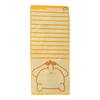
This is a lucky spring-themed tenugui (hand towel) featuring the word "kamawanu." The riddle combines a sickle (kama) + a circle (ring) + "nu" to spell out "kamawanu." A riddle is a puzzle in which you have to guess the word hidden in letters or pictures. "Kamawanu" means "I don't care" or "I don't care," expressing the spirit of Edo townspeople who would selflessly help the weak. Enjoy the many classic patterns with such meanings embedded within them.
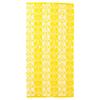
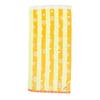
[Motif] Perfect for the dining table, outings, and interior decor. The refreshing mimosa pattern, perfect for spring, is versatile for various occasions. With "Mimosa Day" being a day when men give flowers to women, this tenugui (Japanese hand towel) is an easy choice for a spring gift. Mimosa, with its vibrant yellow flowers, is considered an auspicious plant symbolizing "happiness" and "gratitude." As a flower that heralds the arrival of spring, it represents new beginnings and hope, and is especially given on International Women's Day as a symbol of gratitude and respect. The soft, fluffy flowers of the mimosa evoke a sense of brightness and warmth like sunlight, and are said to bring harmony and happiness to families and relationships. Furthermore, due to its hardy and easy-to-grow nature, it is also considered a symbol of "vitality" and "perseverance," and is cherished as an auspicious item that expresses hope for the future and wishes for a stable life.
Kamawanu's tenugui (hand towels) are made with Sōri (textile) fabric. Compared to the Tokuoka fabric used for illustrated tenugui, it has a coarser weave and is thicker. As a result, it has high absorbency and breathability, making it a practical tenugui. The appeal of Sōri fabric is that it gains character with use.
Tenugui cloths were originally used primarily for wiping away sweat and water, or for washing the body during bathing. To allow them to dry easily after use and to prevent dirt from accumulating at the edges, making them more hygienic, the edges are left raw and not folded and sewn. Additionally, the edges are left raw and unsewn so that they can be torn and used as bandages or sandal straps for emergency purposes.
Japan is blessed with four beautiful seasons: spring, summer, autumn, and winter. Since ancient times, the Japanese have incorporated the changing seasons into their lives and enjoyed them. However, in modern lifestyles, it is difficult to feel the seasons close at hand, and incorporating a sense of the seasons into one's home can be costly and time-consuming. In such cases, changing your tenugui (Japanese hand towel) according to the season allows you to easily enjoy the changing seasons without leaving your room.
You can use tenugui (Japanese hand towels) as hand towels or placemats, or as a dust cover or drainer when washing dishes. In addition to their original use for drying hands or as beautiful decorative items, why not incorporate tenugui into your daily life as everyday tools? Don't throw them away when they get old; if they fray, sew them back together, and finally use them as cleaning rags. You can use them to the very last bit.
[Main uses] Towels, hand towels, kitchen towels, kitchen cloths, kitchen napkins, table runners, shelf runners / Interior art, framed art, tapestries / Kimono collars, obiage (sash ties), ribbons, scarves / Can be used as repurposed scraps to make various items such as scrunchies, bags, obi sashes, masks, etc.