【Important Notice for International Buyers – Tomoayax Japan Rare Authentic Items】
■ Authenticity
All items we sell are 100% authentic.
We carefully source our products from trusted suppliers in Japan.
■ Condition
Many of our items are rare, vintage, or pre-owned.
Such items may show signs of age, storage, or previous use, including minor scratches, wear, or deterioration.
Condition may vary depending on individual expectations.
Please carefully review all photos and descriptions before purchase.
■ Buyer Responsibility
The buyer is fully responsible for understanding the item condition and details before purchase.
We do not accept claims based on subjective expectations (e.g., "not as expected").
■ No Return / No Refund Policy
All sales are final.
We do NOT accept returns or refunds for:
・Minor scratches, aging, or signs of use
・Differences in personal expectations
・Color or appearance differences due to lighting or display
・Any condition clearly shown in photos or described
■ Functionality
Unless otherwise stated, we do not guarantee long-term performance or durability.
Especially for vintage items, future functionality cannot be guaranteed.
■ Liability
We are not responsible for any damage, deterioration, or issues after delivery.
■ Final Notice
Please ensure full understanding of the above before purchasing.
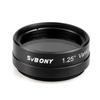
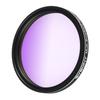
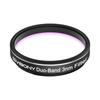
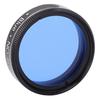
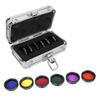
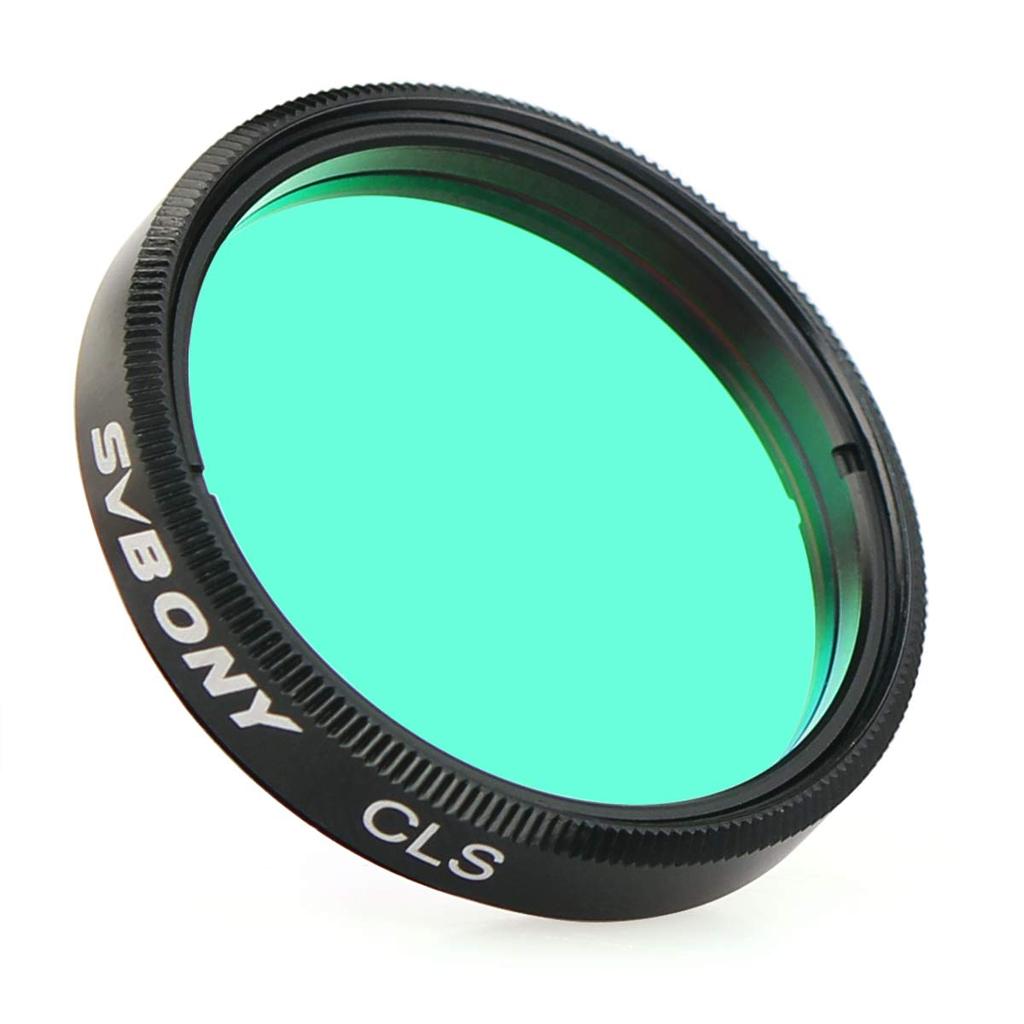
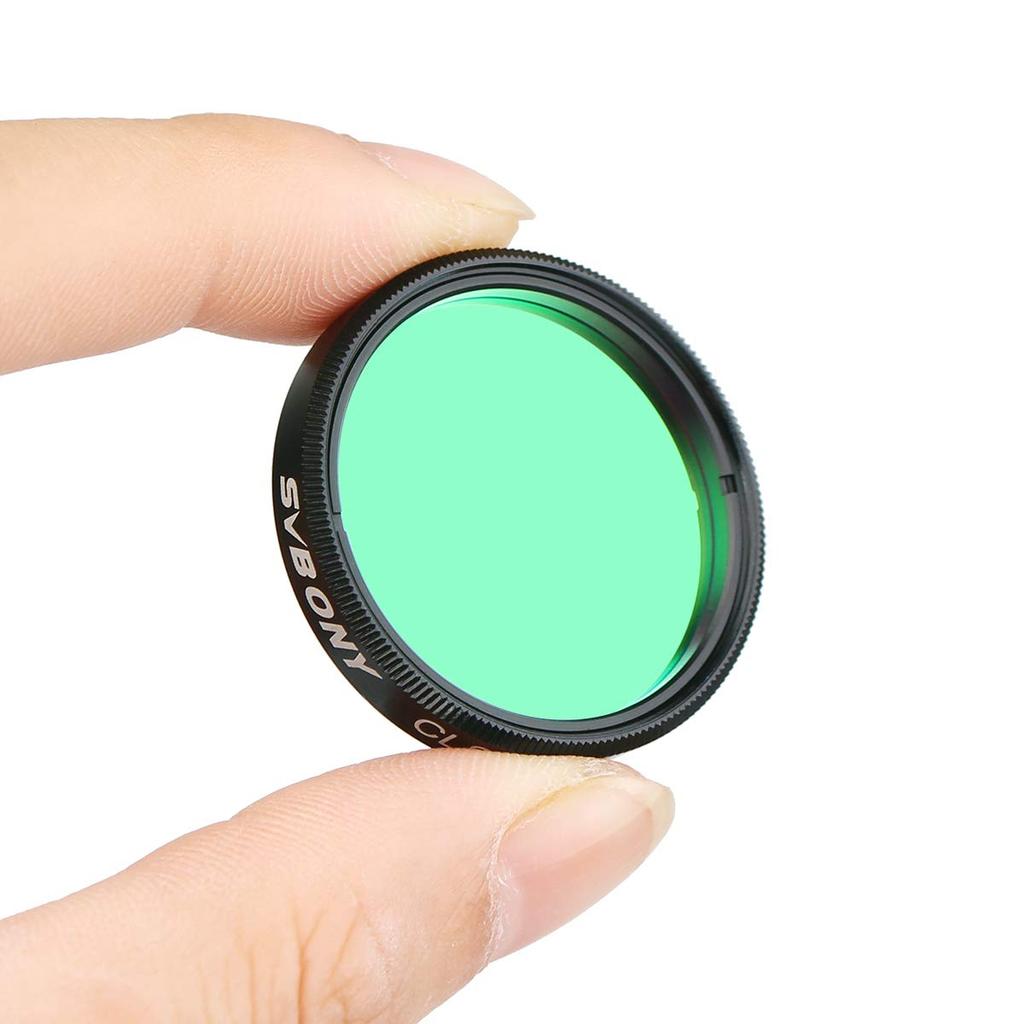
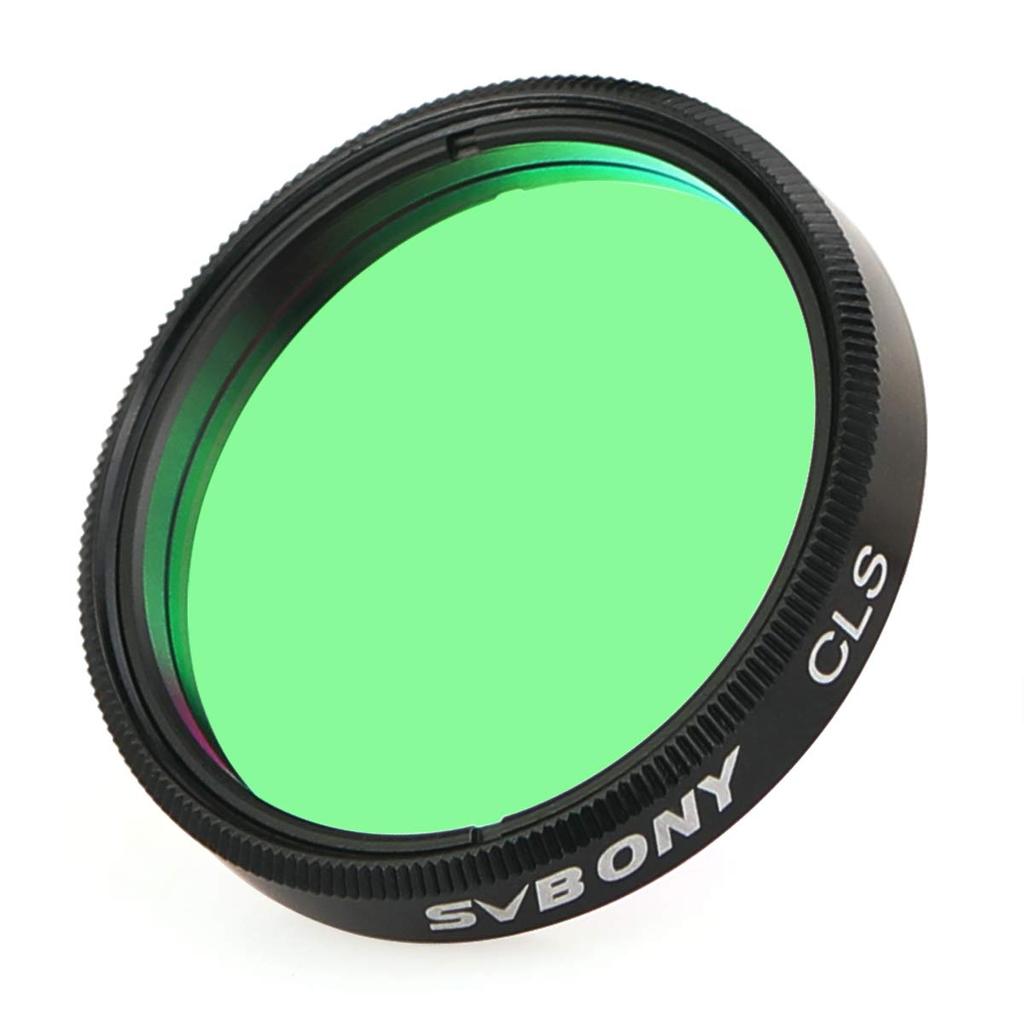
Light pollution filters are essential in urban areas with significant light pollution. They remove unwanted light sources such as city lights while allowing light from celestial objects to pass through. They are ideal for visual observation and photography of nebulae, star clusters, and other celestial objects.
Because CLS filters use high-quality optical glass, the filter surface precision is extremely high, allowing for high-resolution observation and photography.
By cutting out the emission lines from mercury and sodium lamps, which are the source of light pollution, the number of clearly visible stars increases.
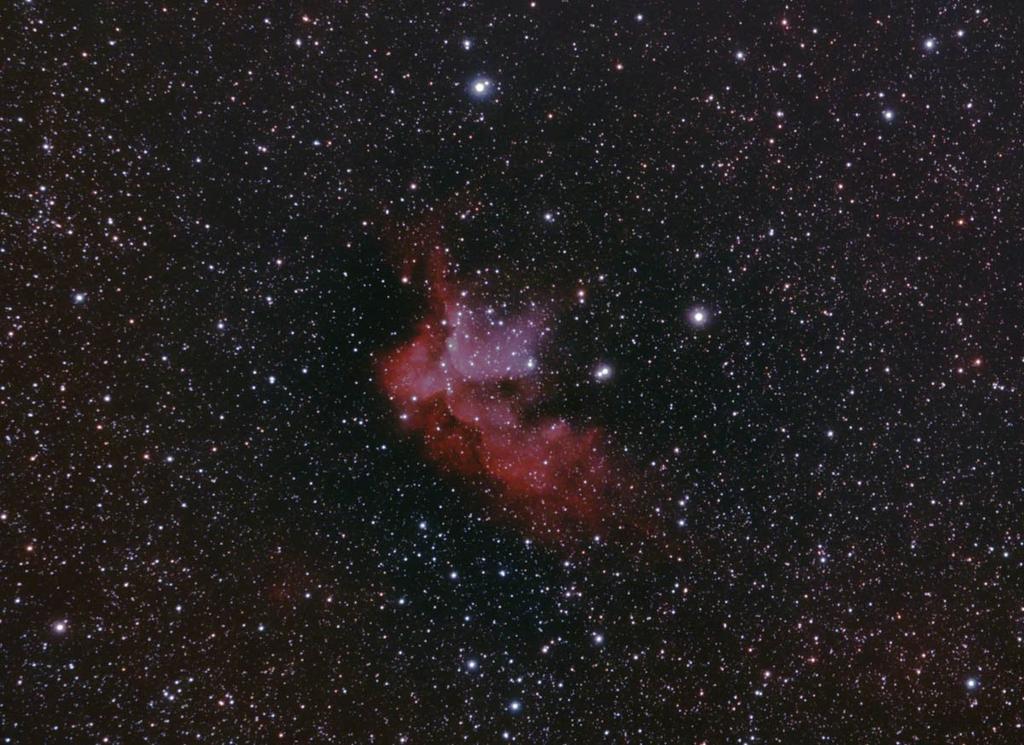
By allowing emission lines such as OIII and Hα to pass through, the contrast of the subject being photographed can be improved.
You'll be able to capture stars near the horizon, making observation and photography incredibly convenient. Suitable for color CCD cameras and uncorrected DSLR urban optical filters.
The most common effect of light pollution is that the night sky becomes brighter, making it difficult to see stars. In a natural night sky, when there is no moonlight, thousands of stars and the Milky Way can be seen with the naked eye. However, in areas with advanced light pollution, not only is the Milky Way completely invisible, but the number of stars that can be seen with the naked eye is also extremely limited. Light pollution cut filter: CLS filter: CLS stands for "City Light Suppression," and it is a filter that reduces light pollution that illuminates the night sky and makes it difficult to see stars. Specifically, it cuts out the wavelengths emitted by mercury lamps and sodium lamps, which are commonly used as streetlights. Features: Benefits: When observing and photographing nebulae, star clusters, comets, etc., it removes light pollution and allows light from celestial objects to pass through. Because it uses high-quality optical glass, the surface precision of the filter is extremely high, allowing for high-quality observation and photography. By cutting out light pollution, the sky becomes sharper, and the number of clearly visible stars increases. By cutting out specific wavelengths, the amount of light in the Hα region increases relatively, allowing you to capture red emission nebulae as well.






 No-delivery refund