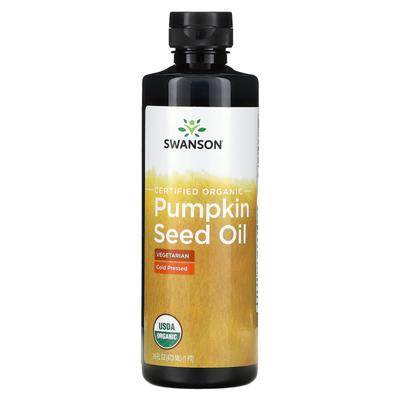
COLD-PRESSED PUMPKIN SEED OIL Pumpkin seed oil isn't as popular as rapeseed or coconut oil – mainly because it shouldn't be used for frying. It's characterized by a dark green color and strong antiparasitic properties. It's made by pressing unshelled and unroasted pumpkin seeds, and up to 30 of these considerable vegetables are used to produce 1 liter. Pumpkin seed oil – how is it different from other vegetable oils and why is it worth having in your pantry? Pumpkin Oil - Green Gold Pumpkin is a seasonal vegetable associated primarily with autumn and American-style Halloween. You won't find a traditional Polish recipe using it. Until recently, the most popular pumpkin product was dried pumpkin seeds, which served as a snack—an alternative to sunflower seeds. The high interest in them is likely due to their health benefits and the fact that pumpkin seeds have long been considered a natural aphrodisiac. In the region famous for pumpkin cultivation—Styria, located mainly in modern-day Austria—pumpkin seed oil is called "green gold." The production process for this unique oil is still the same there as it was 400 years ago. For health and beauty Cold-pressed pumpkin seed oil has a dark green color and a nutty flavor. It should be consumed cold—only then does it retain its beneficial properties. And there are plenty of them! This oil is known as a natural remedy for digestive parasites. The alkaloids it contains, specifically cucurbitacin, impair the nervous system of intruders and help expel them from the body. Modern natural medicine uses pumpkin seed oil to reduce prostate enlargement, adding it to dietary supplements or recommending direct consumption. Cosmetics also benefit from its beneficial effects, recommending high-quality pumpkin seed oil for reducing stretch marks, for all skin types, and as an addition to creams and scrubs. Salad, baguette, ice cream? Oil is the answer! Producing 1 liter of pumpkin seed oil requires as much as 2.5 kg of seeds, or up to 30 large pumpkin seeds. Pressing at a low temperature – no higher than 35°C – guarantees the preservation of all the valuable substances. As much as 80% of the fats in green gold are unsaturated fatty acids, primarily linoleic and oleic acids, sources of omega-6 and omega-9. In addition, this oil provides phytosterols, squalene, vitamins A, C, D, E, and B vitamins, as well as zinc, potassium, selenium, and beta-carotene. The squalene in pumpkin seed oil is a powerful antioxidant with anti-cancer properties and supports liver degreasing. Consuming 1 teaspoon of the oil as a preventative measure, or drizzling it over salads, raw slaws, bread, or—as is done in Austria—pouring it over vanilla ice cream or Viennese cheesecake is an excellent way to add health benefits and flavor to your dishes. ^ PUMPKIN SEED OIL IS A SOURCE OF OMEGA-3 FATTY ACIDS Ingredients Cold-pressed pumpkin seed oil. Use Pumpkin seed oil is perfect for salads, slaws and other cold dishes. Storage Store in a dry, cool and dark place. After opening, store at 4-10°C for no longer than 3-4 weeks. Natural sediment or cloudiness may occur. This is a natural phenomenon and does not affect the nutritional value of the oil.