The website doesn't support your browser. Please update your browser or download a different one


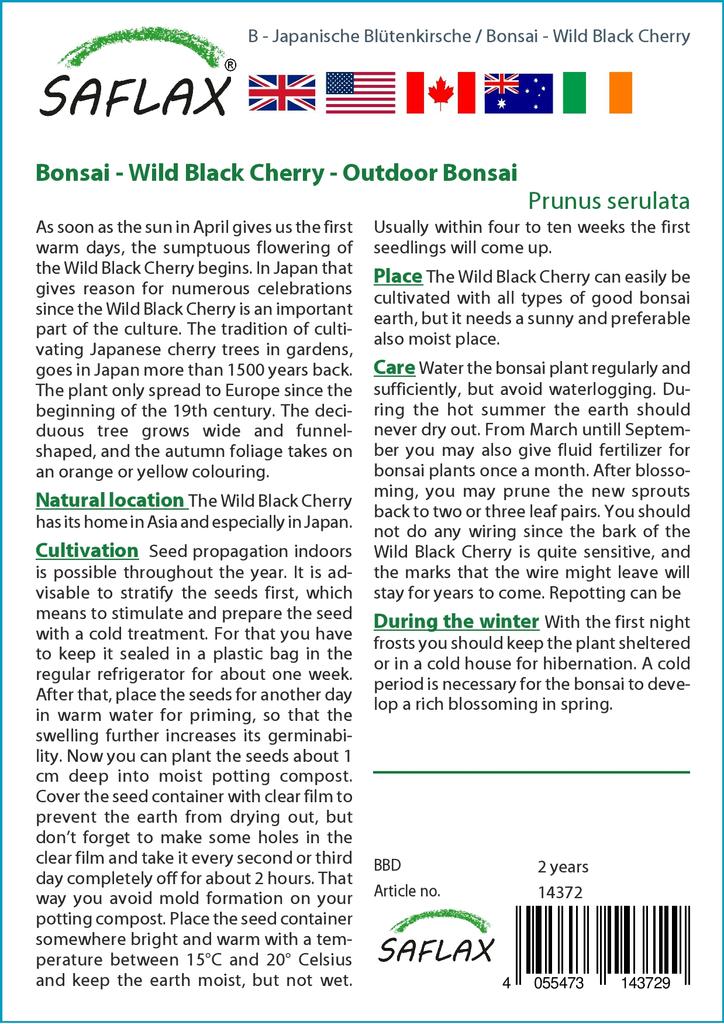
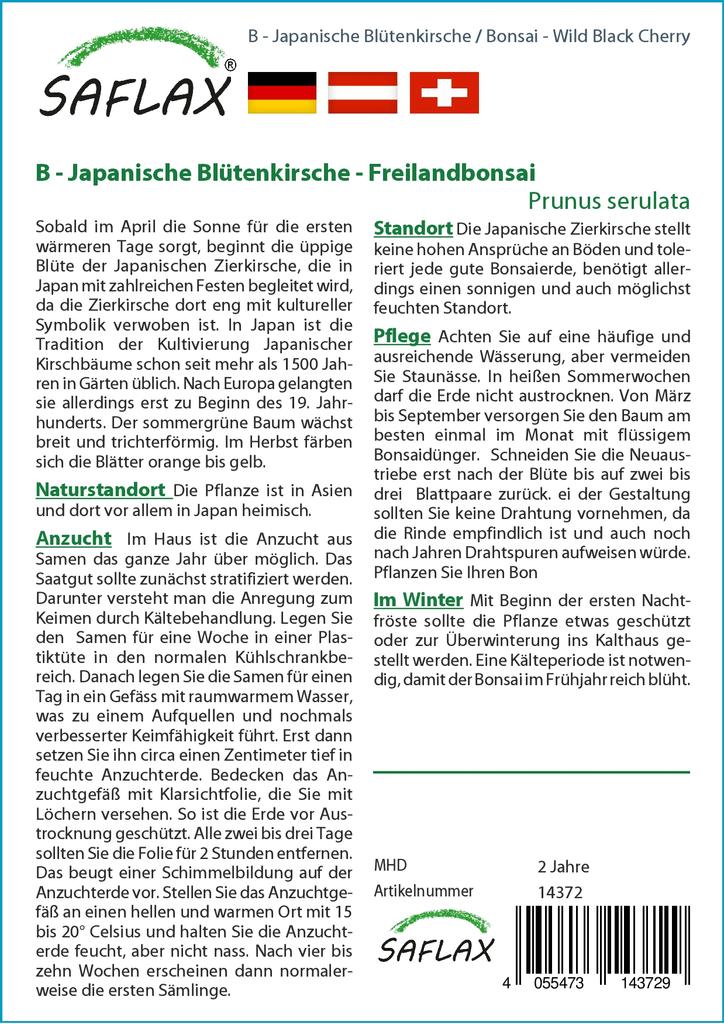
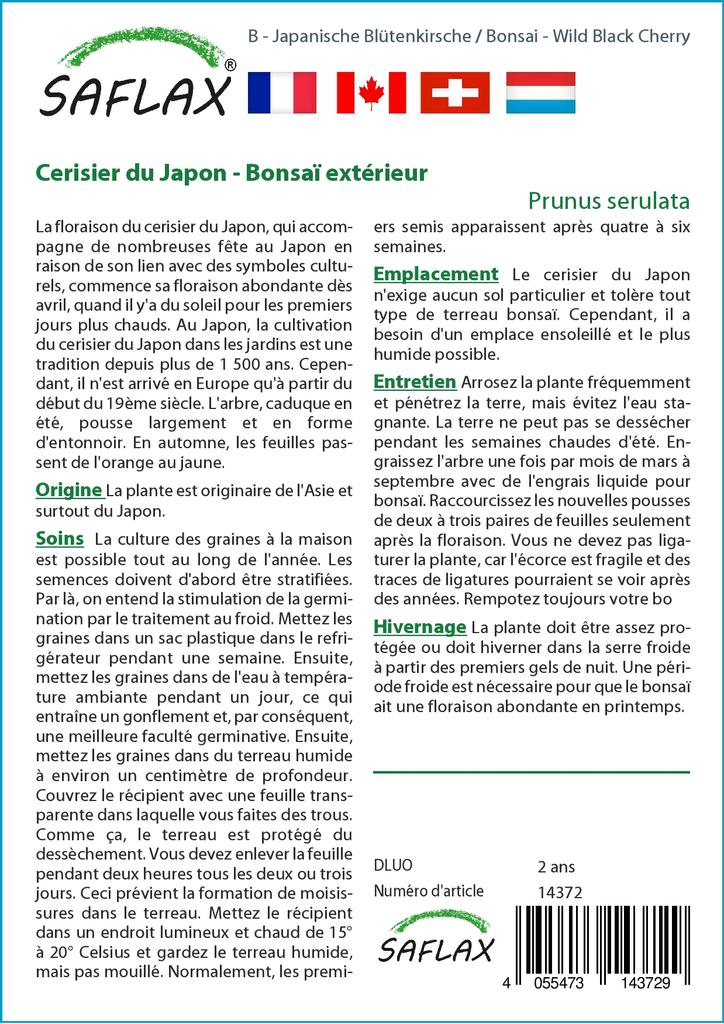
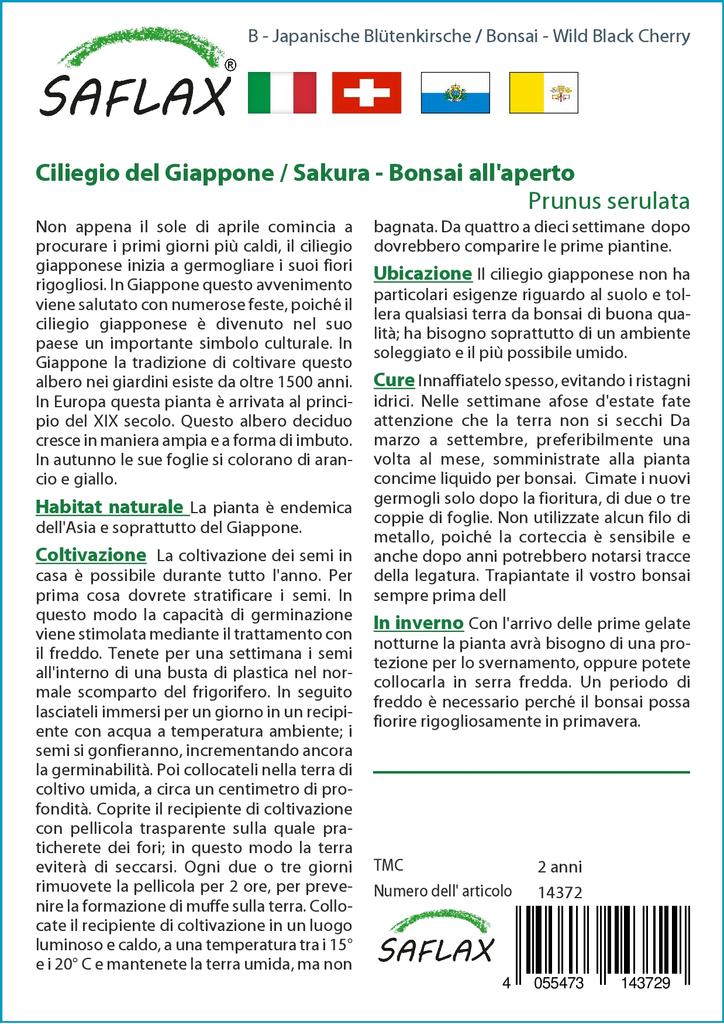
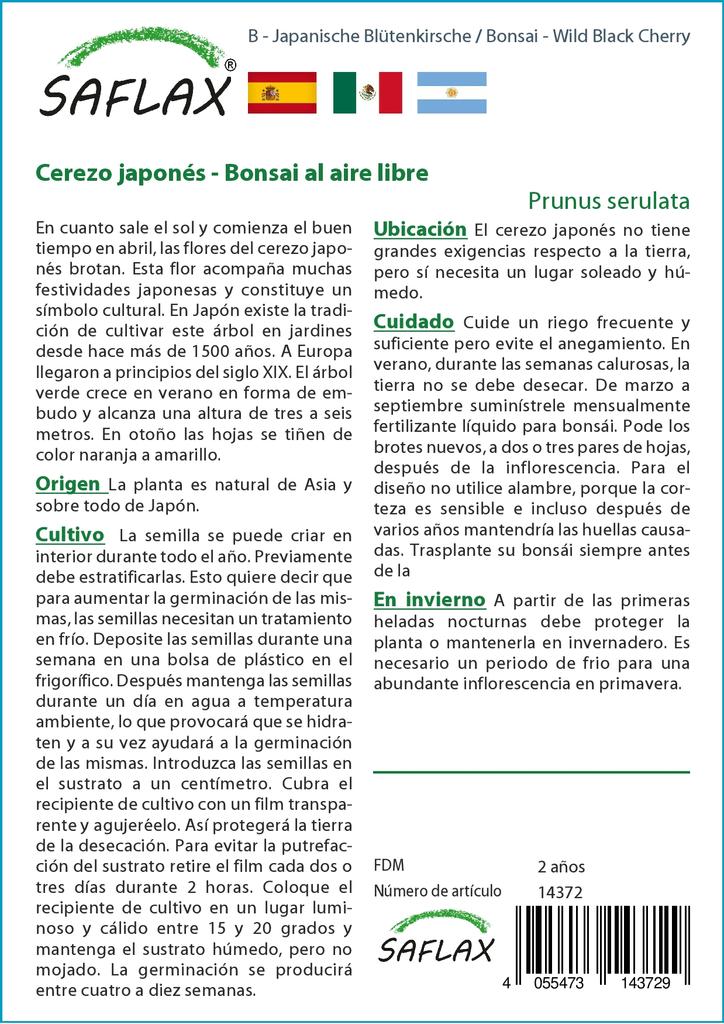
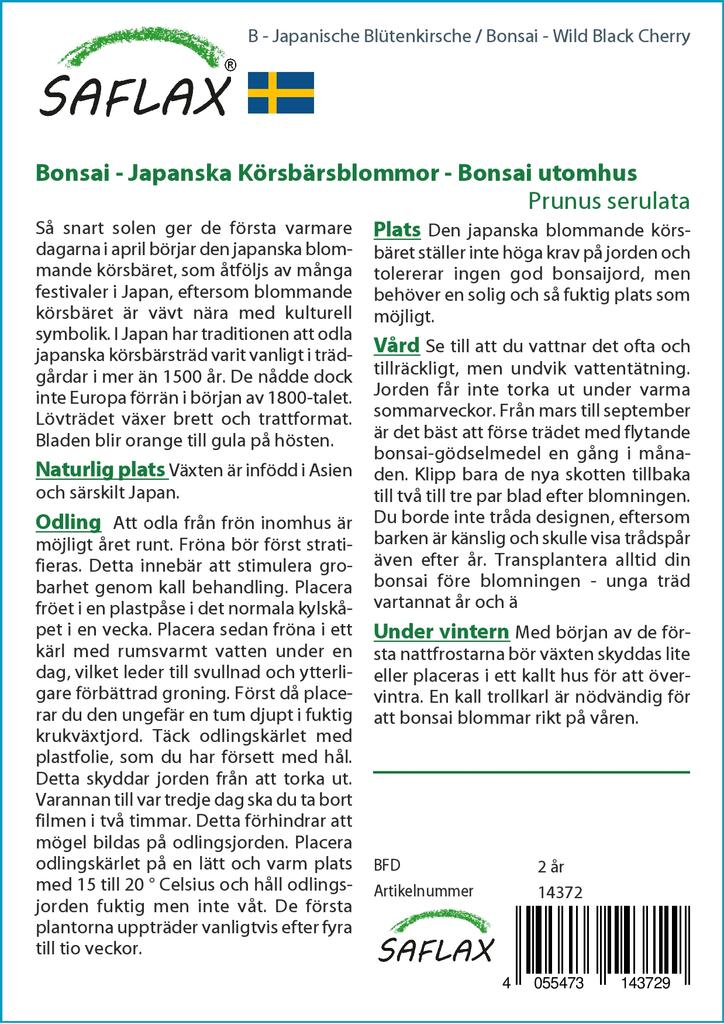
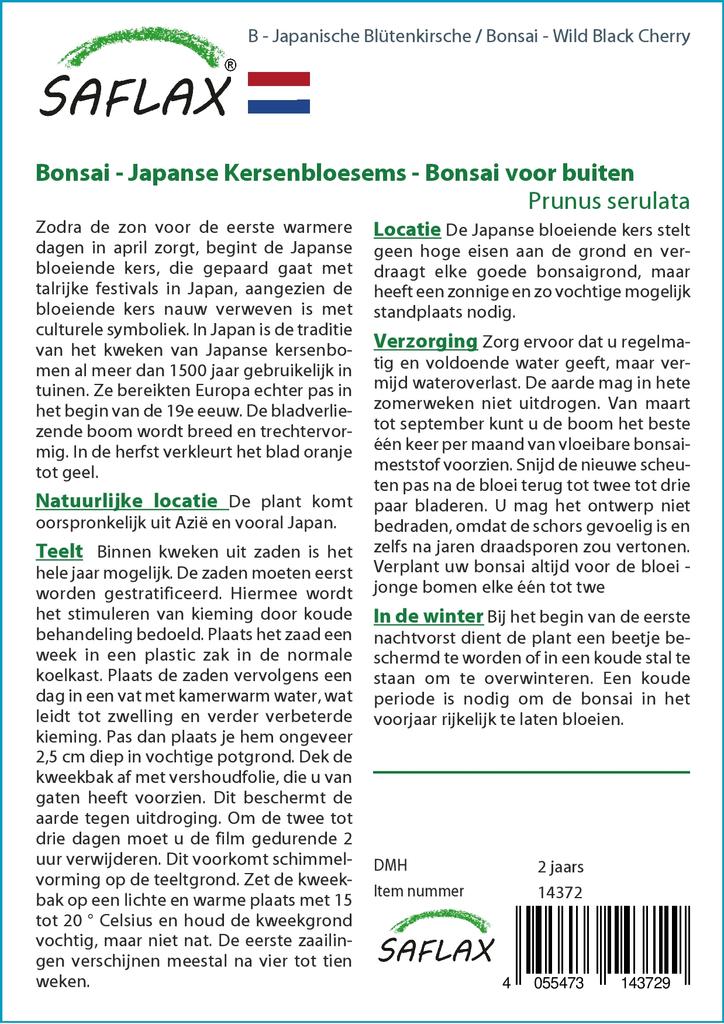
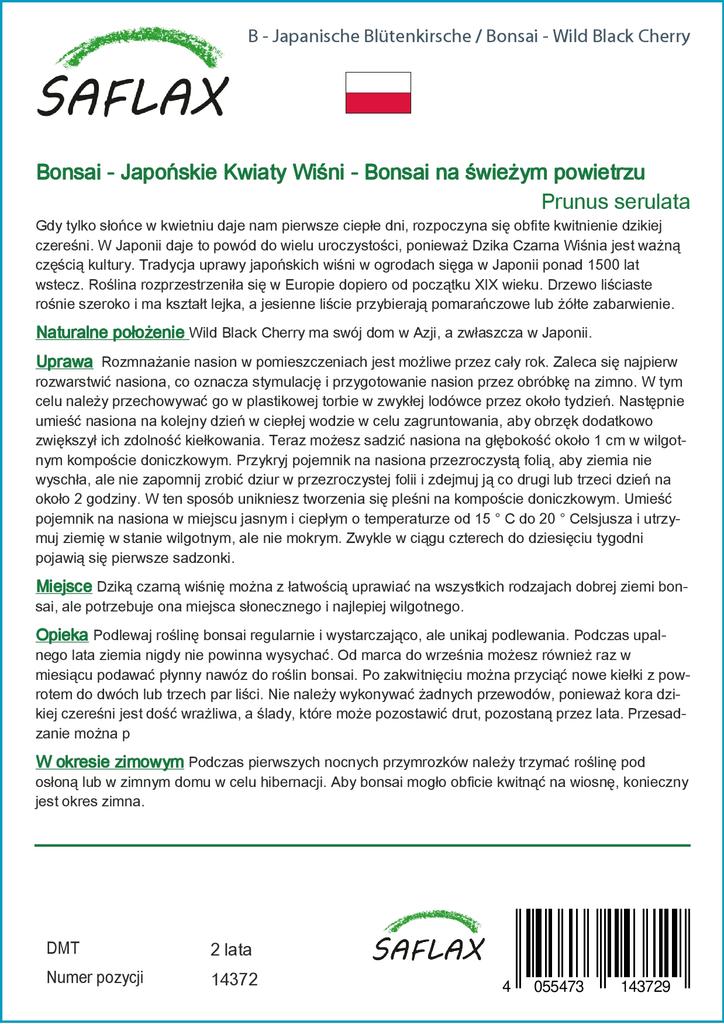
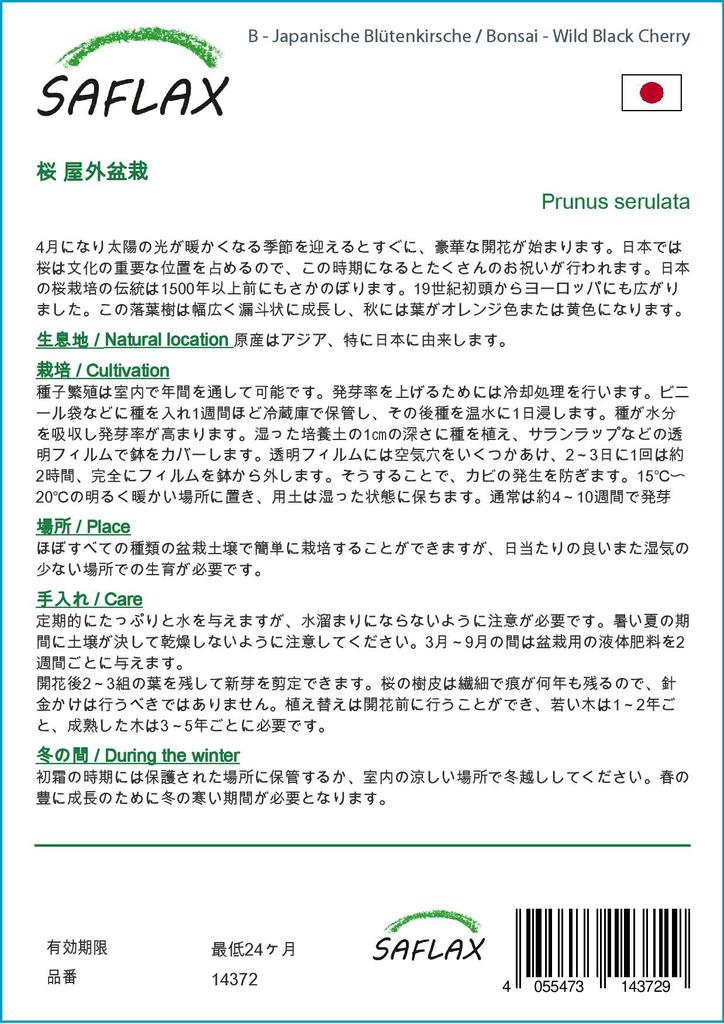
SAFLAX Bonsai - Wild Black Cherry - 30 Seeds - Prunus Serulata
Current price
Price €14.06VAT and duties included
Loading...
Loading...
Loading...
Loading...
Loading...
Loading...
Loading...
Loading...
Loading...
Loading...
Loading...
Loading...
Loading...
Loading...
Loading...

Delivery to United Kingdom
Est. 0 business days · €3.51 per order

Secure checkout & data protection


 No-delivery refundQuality guaranteeSecure logisticsPrivacy protection
Safety & compliance

Manufacturer
Description

SAFLAX
4.4/2,000+
Reviews 42
Customer
May 13, 2022
Just under 30 seeds (I counted 20) But I can't wait to grow them
Customer
August 31, 2023
After 4 months absolutely no plant formation - absolute SCRAP
Customer
May 16, 2023
Let's see how it grows. Delivered very quickly
Customer
May 17, 2023
It's growing for the moment 😊
Customer
June 24, 2023
Everything went well
Customer
May 26, 2023
This is crap!!!!
Customer
August 29, 2023
Everything great
Customer
August 4, 2023
None of the seeds sprouted, the seeds are like they are simply from an ordinary cherry tree. Don't buy!
Customer
October 16, 2023
Everything arrived on time, but to no avail!!! Not a single seed sprouted!!!
Similar products