Worth knowing:
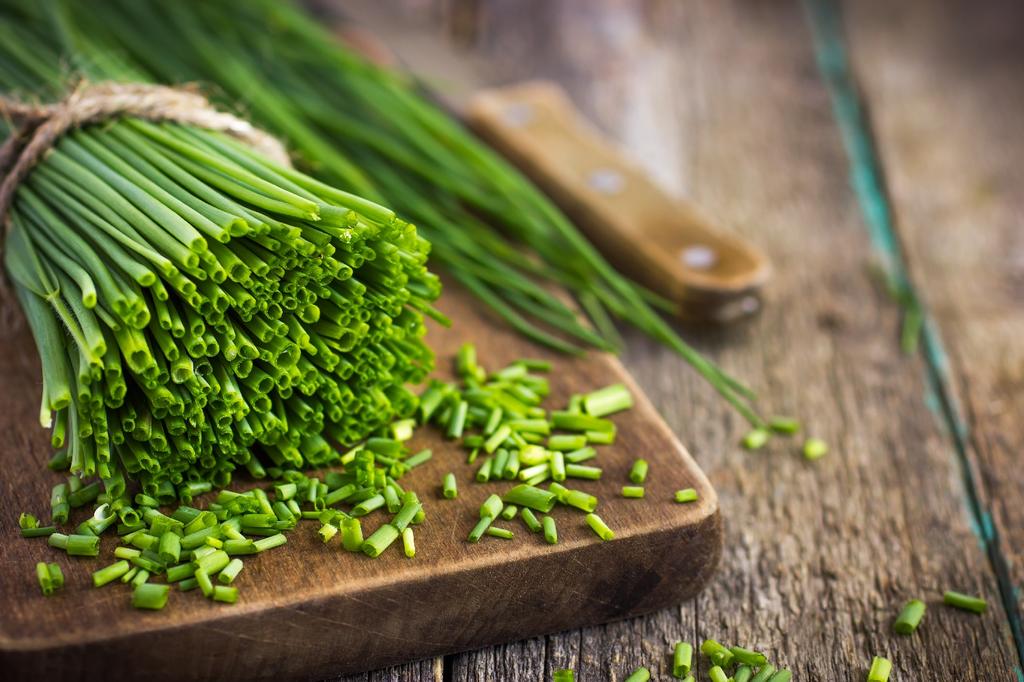
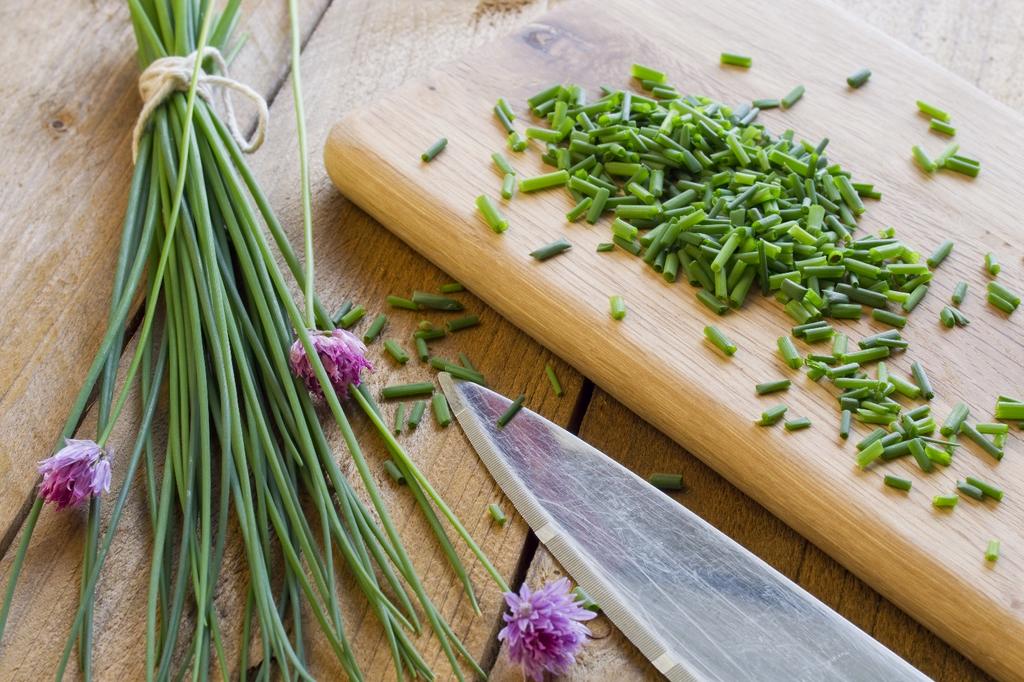
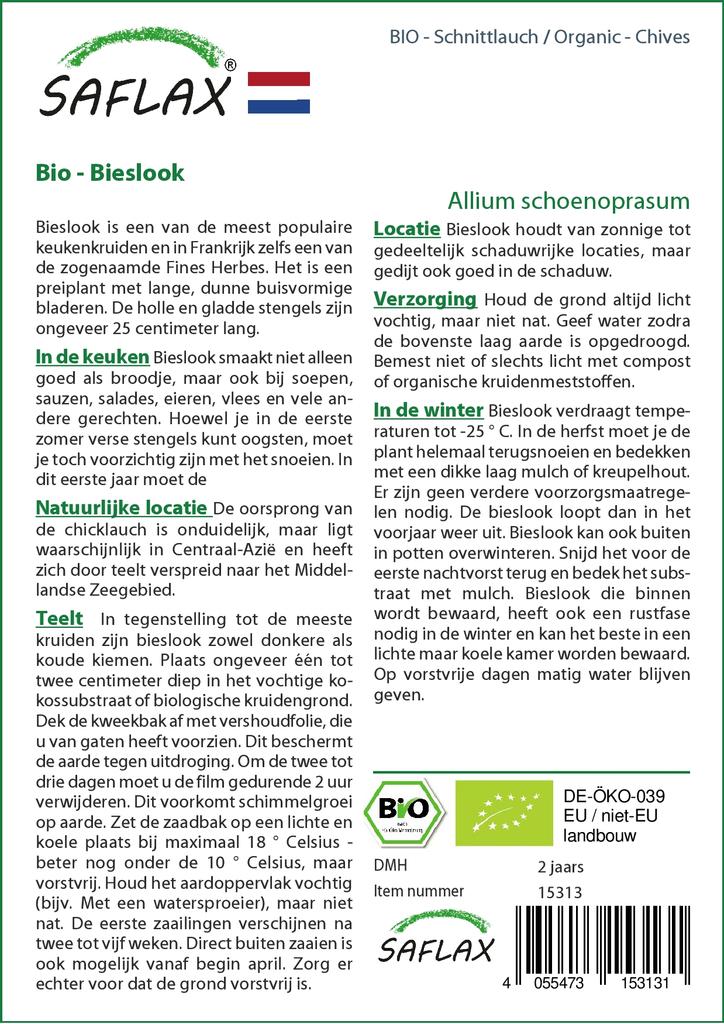
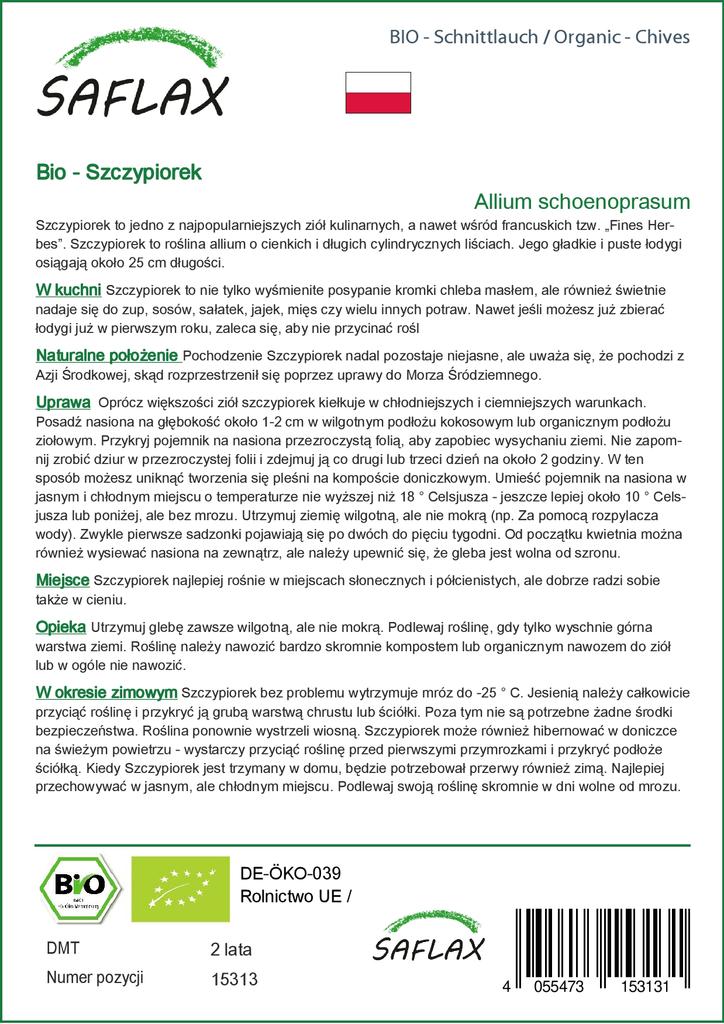
Chives is one of the most popular culinary herbs and even among the French so called “Fines Herbes”. Chives is an allium plant with thin and long tubular leaves. Its smooth and hollow scapes (or stems) become about 25 cm long.
Natural Location:
The origin of Chives still remains unclear, but it is believed to be in Central Asia, from where it spread through cultivation to the Mediterranean.
Cultivation:
Other than most herbs, Chives germinates under cooler and darker conditions. Plant the seeds about 1 – 2 cm deep into moist coconut substrate or organic herbal substrate. Cover the seed container with clear film to prevent the earth from drying out. Don’t forget to make some holes in the clear film and take it every second or third day completely off for about 2 hours. That way you can avoid mold formation on your potting compost. Place the seed container somewhere bright and cool with a temperature of not more than 18° Celsius – even better around or beneath 10° Celsius, but frost-free. Keep the earth moist, but not wet (e.g. by using a water sprayer). Usually, the first seedlings will show after two to five weeks. From the beginning of April it is also possible to sow the seeds outdoors, but make sure that the soil is free of frost.
Place:
Chives grows best in sunny to semi-shady places, but does also well when kept in the shade.
Care:
Keep the soil always moist, but not wet. Water your plant as soon as the top layer of the earth has dried out. Fertilize the plant either very modest with compost or organic fertilizer for herbs, or don’t fertilize at all.
During the winter:
Chives can resist frost up to -25 °C without problem. You should cut your plant completely back in autumn and cover it with a thick layer of brushwood or mulch. Other than that, no safety measures are needed. The plant will shoot again in spring. Chives can also hibernate outdoors in a pot – just cut back the plant before the first frost and cover the substrate with some mulch. When Chives is kept indoors, it will also need a break during the winter. It is best kept in a bright but cool place. Keep watering your plant modestly on frost-free days.
Picture credits:
- © © Frank Laue - © Saflax - http://www.saflax.de/copyright
- © Frank Laue - © Saflax - http://www.saflax.de/copyright
- © Frank Laue - © Saflax - http://www.saflax.de/copyright
- © About © : Contact SAFLAX - - http://www.saflax.de/copyright
- © About © : Contact SAFLAX - - http://www.saflax.de/copyright
- © About © : Contact SAFLAX - - http://www.saflax.de/copyright
- © About © : Contact SAFLAX - - http://www.saflax.de/copyright
- © About © : Contact SAFLAX - - http://www.saflax.de/copyright
- © About © : Contact SAFLAX - - http://www.saflax.de/copyright










 No-delivery refund