Worth knowing:
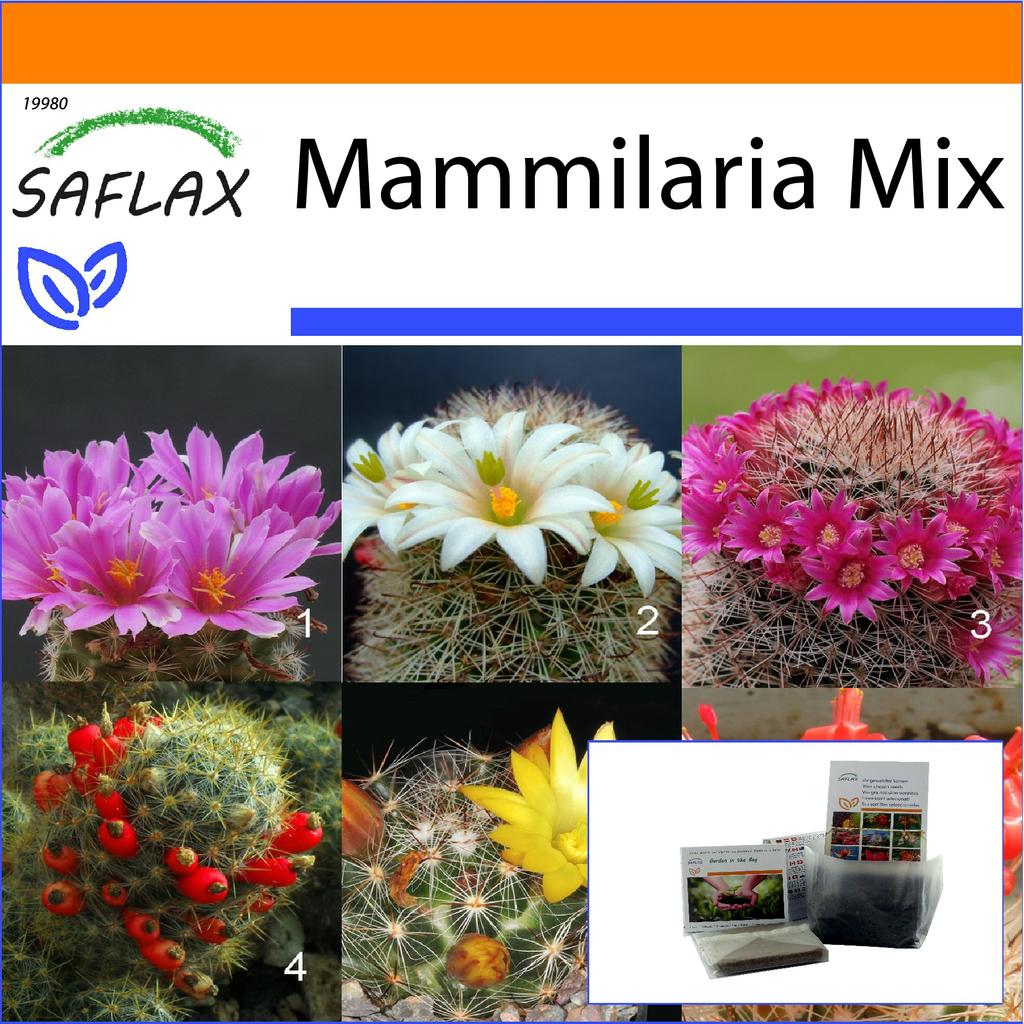
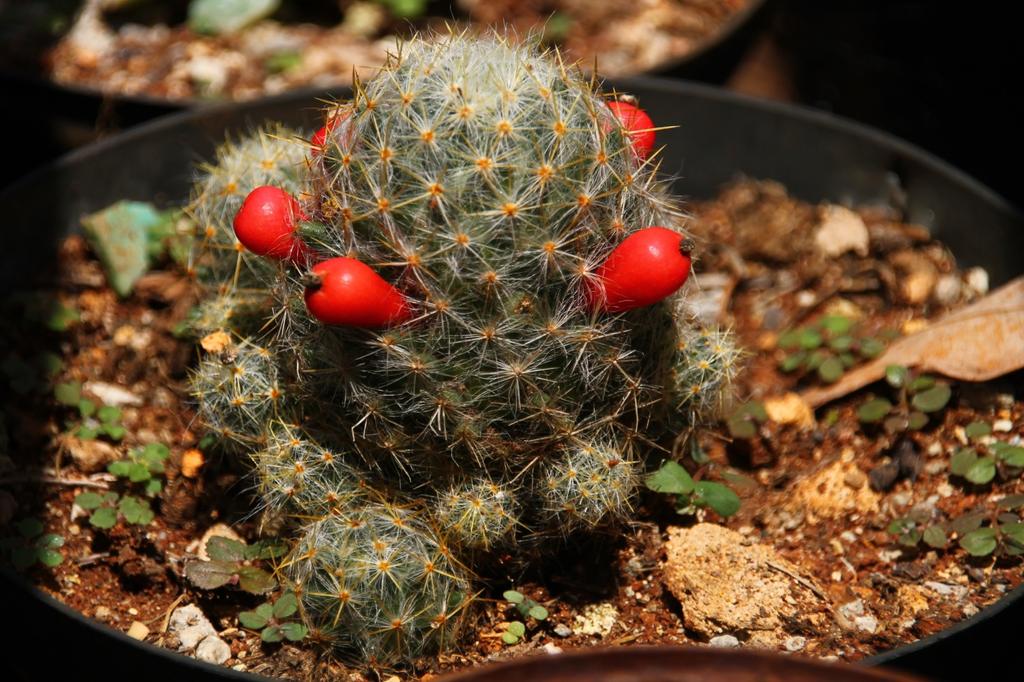
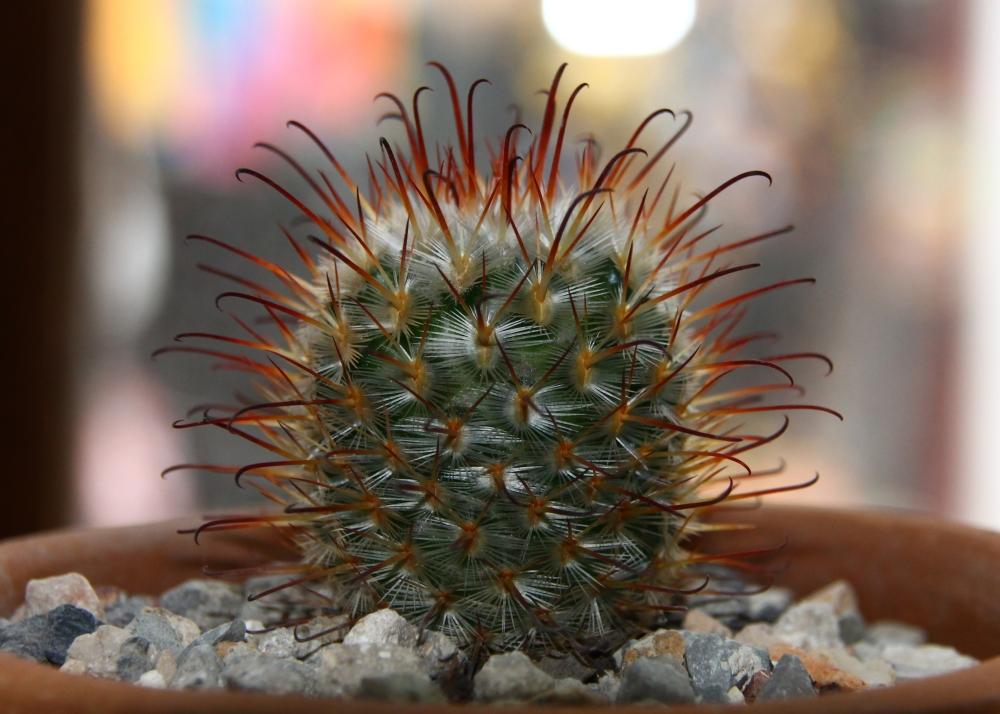
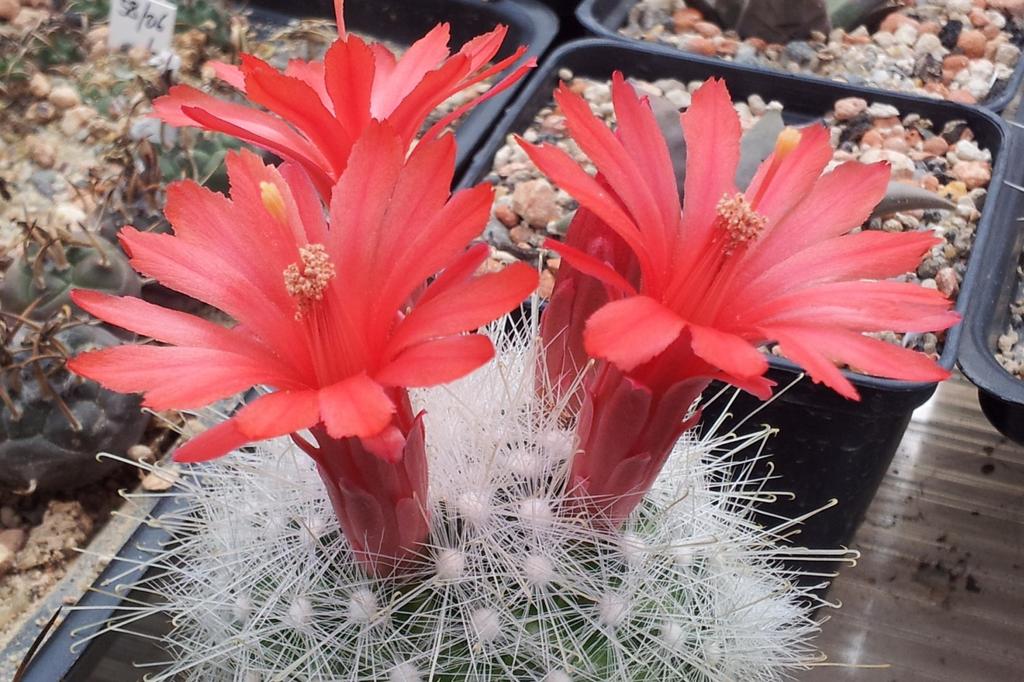
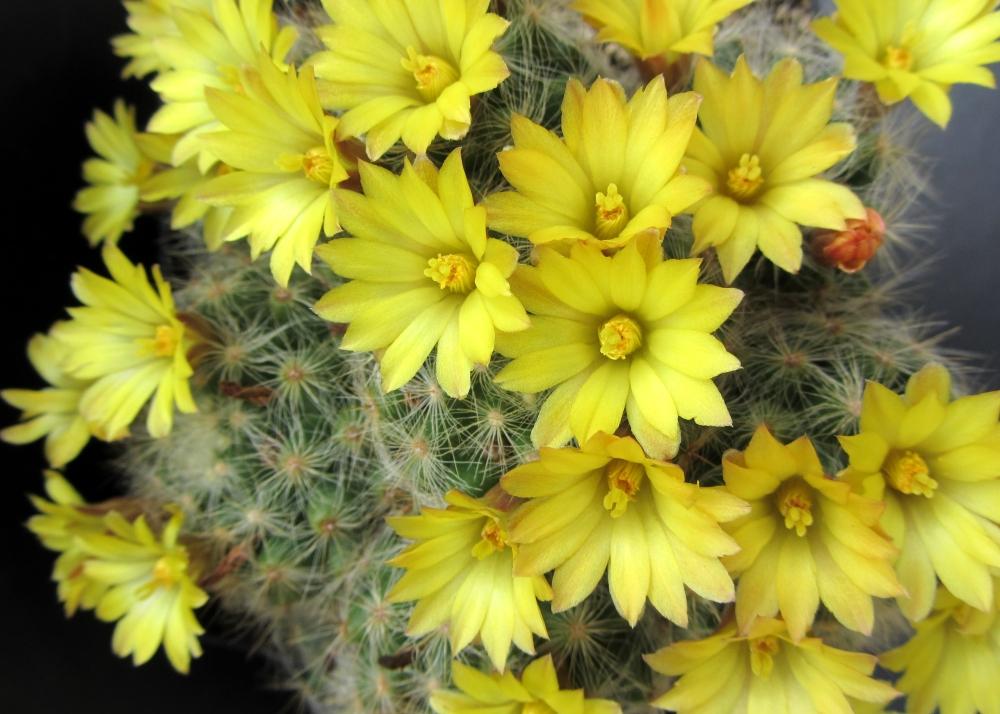
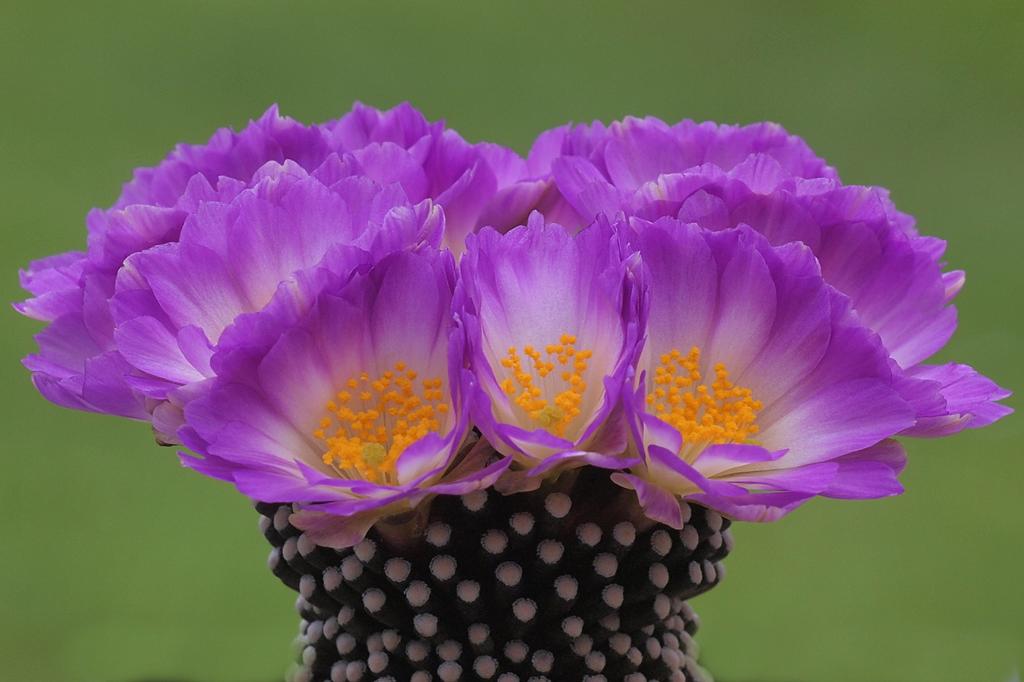
The rather carefree Mammillaria counts around 400 species and is one of the most species-richest genera within the cactus plants. Instead of ribs, the sprouts grow nipples that gave the botanical name (mamilla = breast nipple) and that deploy the varied spines from the tips. From spring until early summer, the Mammillaria shows bell-flowers that grow either stray or wreath-shaped.
Natural Location:
The natural habitat of the Mammillaria stretches from the Southwest of the USA to Mexico, and through the whole of Central America until Columbia. The region with the most species, however, can be found in Mexico.
Cultivation:
Seed propagation indoors is possible throughout the year. Spread the seeds onto finely sieved potting compost or cactus earth that contains about 25% sand and is moistened with a water vaporizer. For a light germinator you don’t need to put any potting earth on top. Cover the seed container with clear film to prevent the earth from drying out, but don’t forget to make some holes in the clear film and take it every second or third day completely off for about 2 hours. That way you avoid mold formation on your potting compost. Place the seed container somewhere bright and warm with a temperature between 20°C and 25°Celsius and keep the earth – preferably with a water sprayer – moist, but not wet. The first seedlings will come up after one or two weeks.
Place:
The Mammillaria needs plenty of sunlight to develop nicely. Plants that are kept in the sun throughout the year grow beautiful spines and flowers. Only the green-coloured varieties with less spines should be protected from the strong midday sun. During summer, you can also move your beloved cactus plants to a sunny place outdoors.
Care:
Using quality cactus soil for cultivation is the first step for a healthy plant. Since the Mammillaria prefers to be kept in a group, you should use a wider bowl rather than a pot for cultivation. Water the plants during the growth period consistently, but always let the upper layer of earth become dry before watering again. To prevent the cactus from rotting away, it is best watered from the bottom by filling the saucer with water and wait until the surface of the soil feels moist. During the growth period from May until August, you may give fluid fertilizer for cactus plants every four weeks. The best time for shifting to a bigger pot would be in spring and after the roots have penetrated the old pot.
During the winter:
The winter season marks the resting period for the plant, and it should be kept preferably in a cool and bright or sunny place with a temperature around 8° to 10° Celsius. Water the cactus just enough so that the earth doesn’t dry out completely.
Picture credits:
- © © 1.+3.Dornenwolf 2.Succu 4.Tubifex 5.+6.Peter A. Mansfeld - CC-BY-SA-3.0 - http://creativecommons.org/licenses/by-sa/3.0
- © Frank Laue - © Saflax - http://www.saflax.de/copyright
- © Frank Laue - © Saflax - http://www.saflax.de/copyright
- © Sabine Laue - © Saflax - http://www.saflax.de/copyright
- © Sabine Laue - © Saflax - http://www.saflax.de/copyright
- © Sabine Laue - © Saflax - http://www.saflax.de/copyright
- © Michael Wolf - CC-BY-SA-3.0 - http://creativecommons.org/licenses/by-sa/3.0
- © Succu - CC-BY-SA-3.0 - http://creativecommons.org/licenses/by-sa/3.0
- © Dornenwolf - CC-BY-SA-2.0 - http://creativecommons.org/licenses/by-sa/2.0







 No-delivery refund