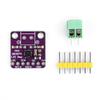
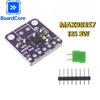
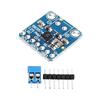
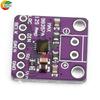
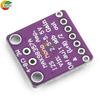
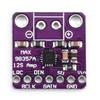
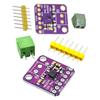
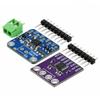
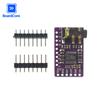
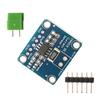
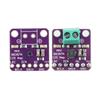
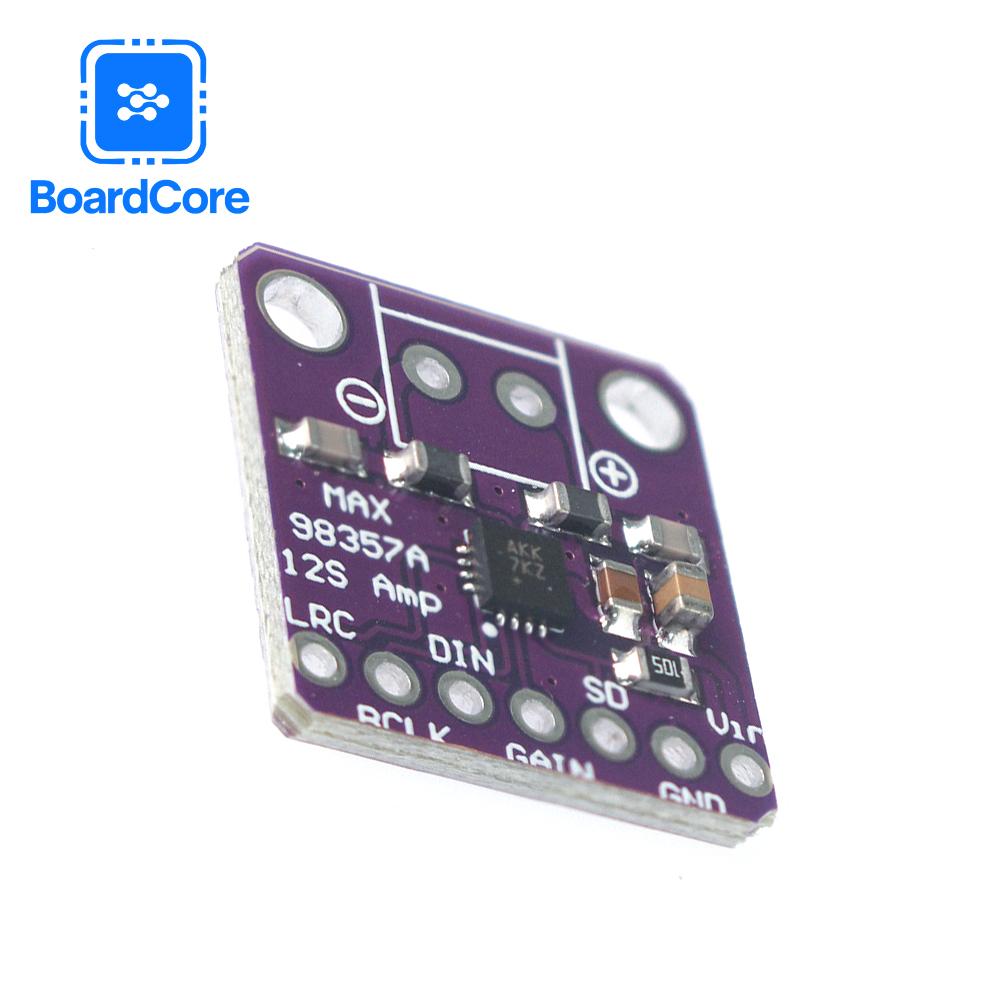
Introduction to MAX98357
Maxim announces the launch of MAX98357 and MAX98358 digital input Class D audio power amplifiers
Assist designers in achieving compact, efficient, plug and play solutions with high cost-effectiveness. Besides having a small size
In terms of size, the device can achieve a 3.2W AB amplifier sound quality with D-class amplifier efficiency, obtaining
Excellent high fidelity sound effects, suitable for various product applications.
MAX98357 Pulse Code Modulation (PCM) and MAX98358 Pulse Density Modulation (PDM)
Plug and play speaker amplifier fully utilizes the flexible advantages of Maxim pin arrangement. Compared to typical
The analog amplifier scheme significantly reduces the number of components, thereby greatly reducing the size of the scheme. Due to the majority
Users can control the volume through digital uplink, which enables them to fully utilize Maxim's features
High cost performance wafer level packaging (WLP) without the need for expensive PCBVIA. To achieve excellent sound quality
The device adopts high noise resistance digital input and has a high jitter tolerance (better than competitive solutions)
At least 8dB). The device also provides excellent electromagnetic interference (EMI) suppression, allowing for the use of long connections
Connect the speaker without the need for external filtering. In addition, the device provides the industry's highest Class D efficiency.
Product Characteristics
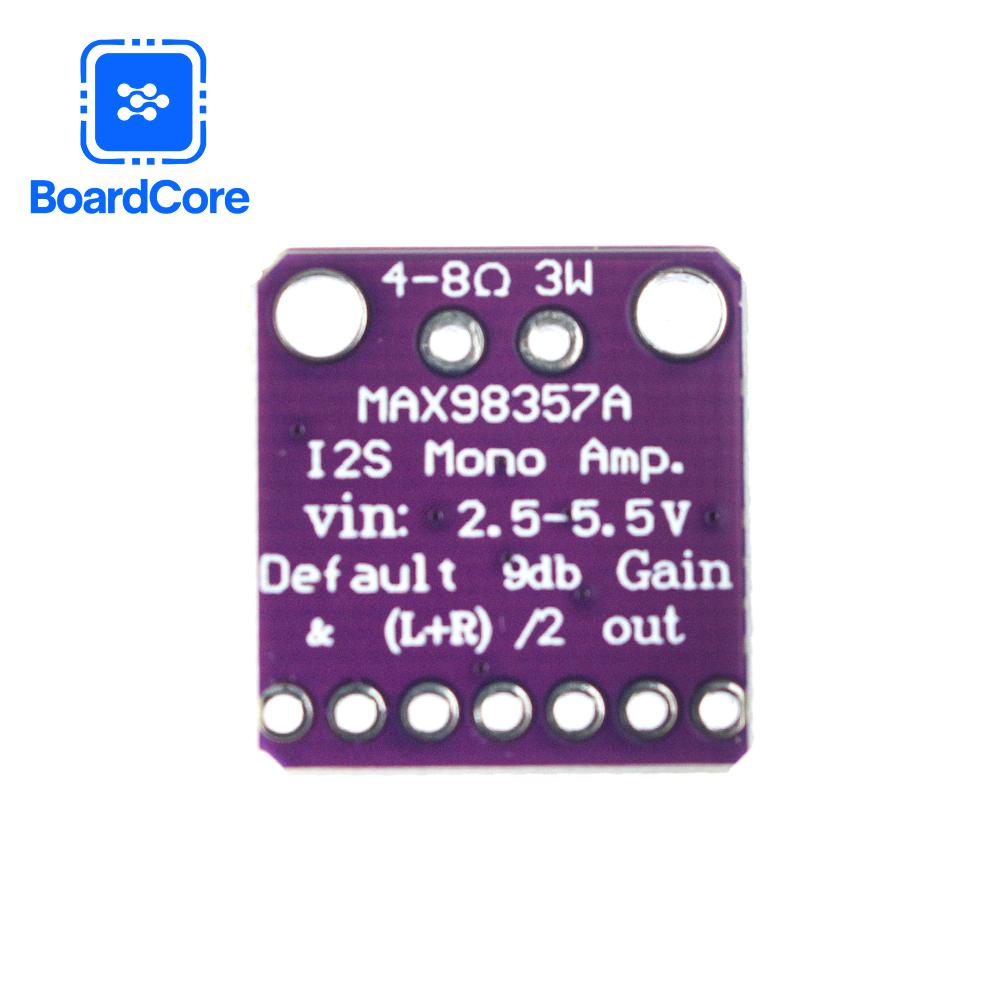
(1) Output power: 3.2W at 4Q, THD of 10%
1.8W at 8Q, THD at 10%
(2) I2S sampling rate: 8KHz~96KHz
(3) D-class amplifier gain options: 3dB/6dB/9dB/12dB/15dB
(4) No need for a master clock (MCLK)
(5) Plug and play: With just a single power supply, it can automatically configure 35 different options Clock and 128 digital audio formats
(6) Suitable for Raspberry Pi, Raspberry Pi, Arduino, ESP32 and other tools
A microcontroller or development board system with I2S audio output
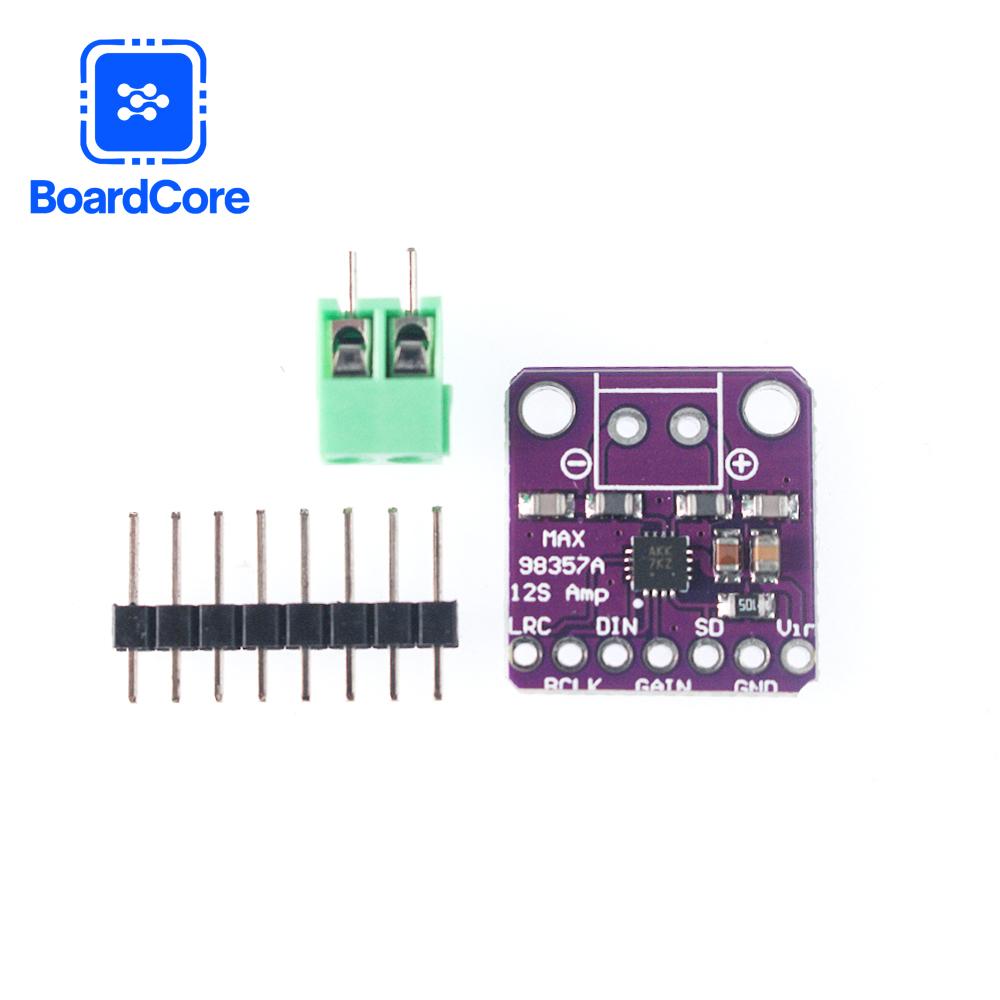
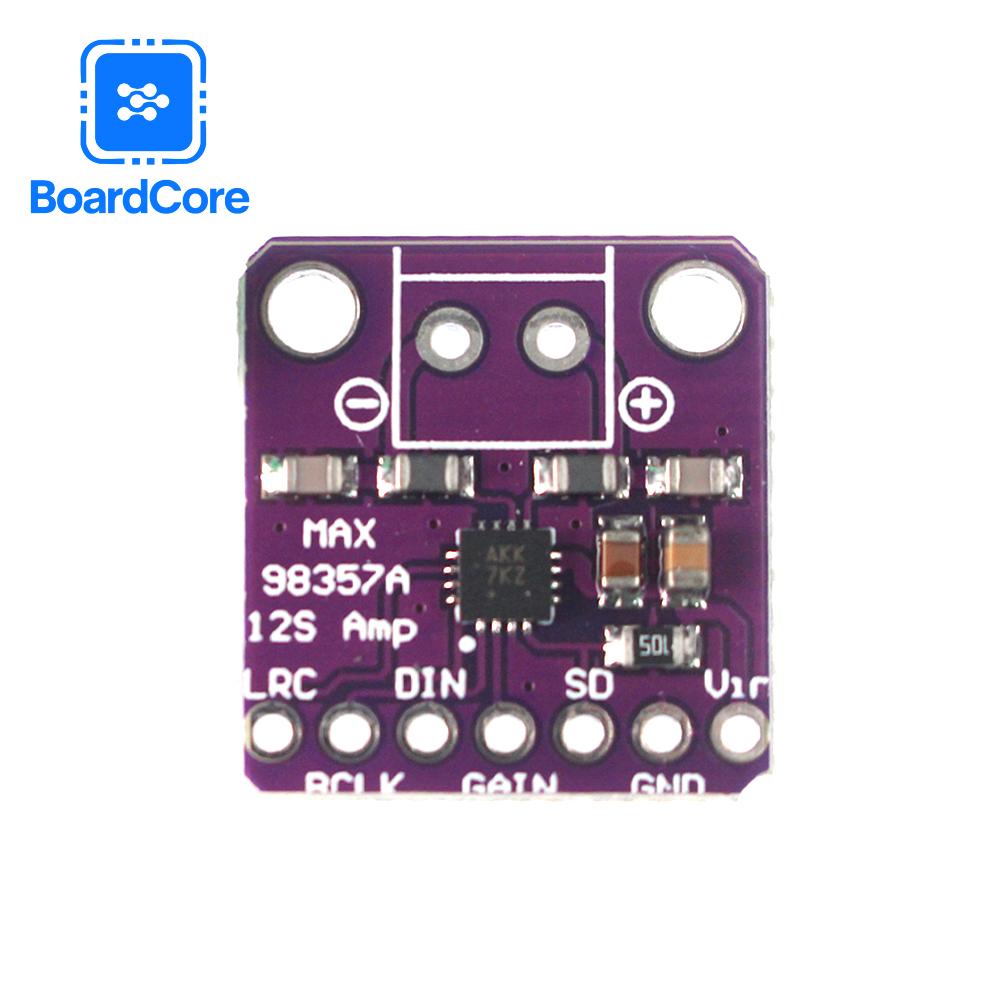
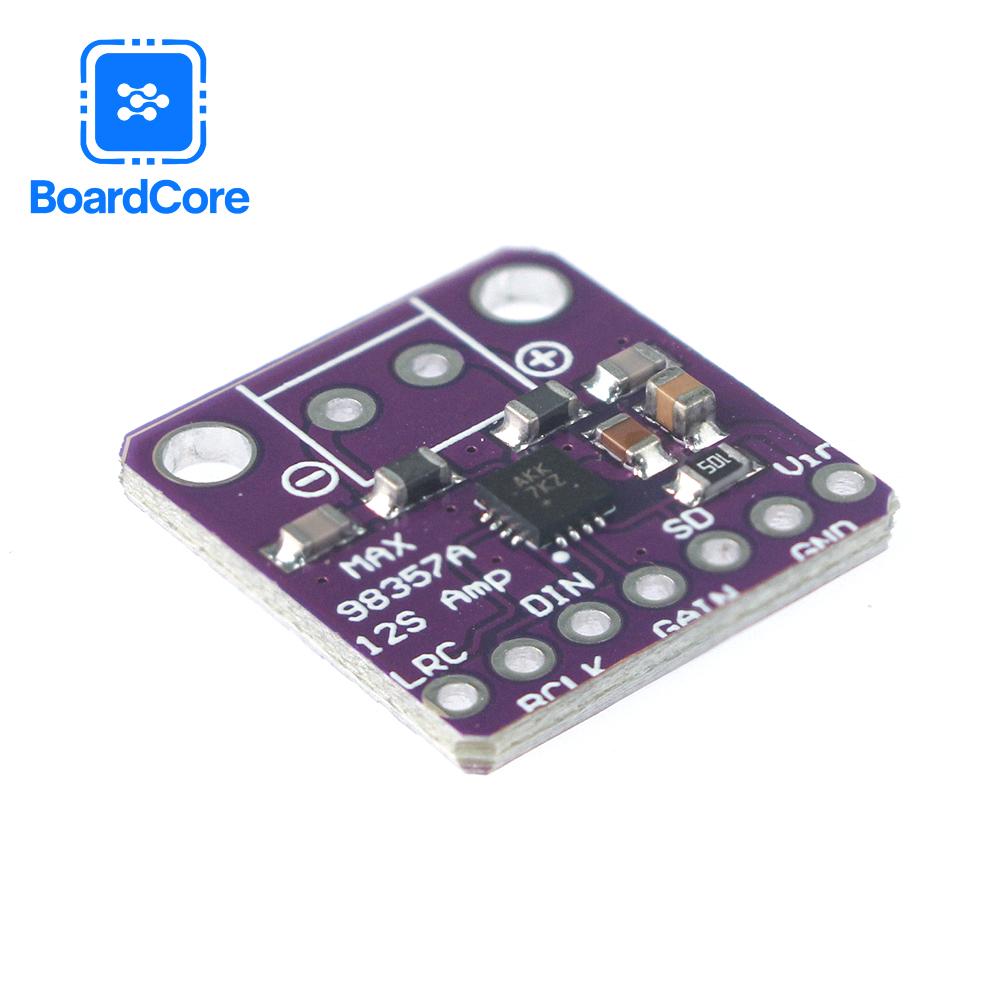
Pinouts
VCC: Positive pole of power supply, DC2.5V~5.5V.
GND: Grounding
SD: Shutdown and channel selection. SD-PODE is pulled down to place the device in an off state.
GAIN: Gain and channel selection. In TDM mode, the gain is fixed at 12dB.
DIN: Digital input signal.
BCLK: Bit clock input.
LRC: Left/right clock for I2S and LJ modes. Synchronous clock is used for TDM mode.
Schematic Diagram


 No-delivery refund