Purpose of the suite experiment:
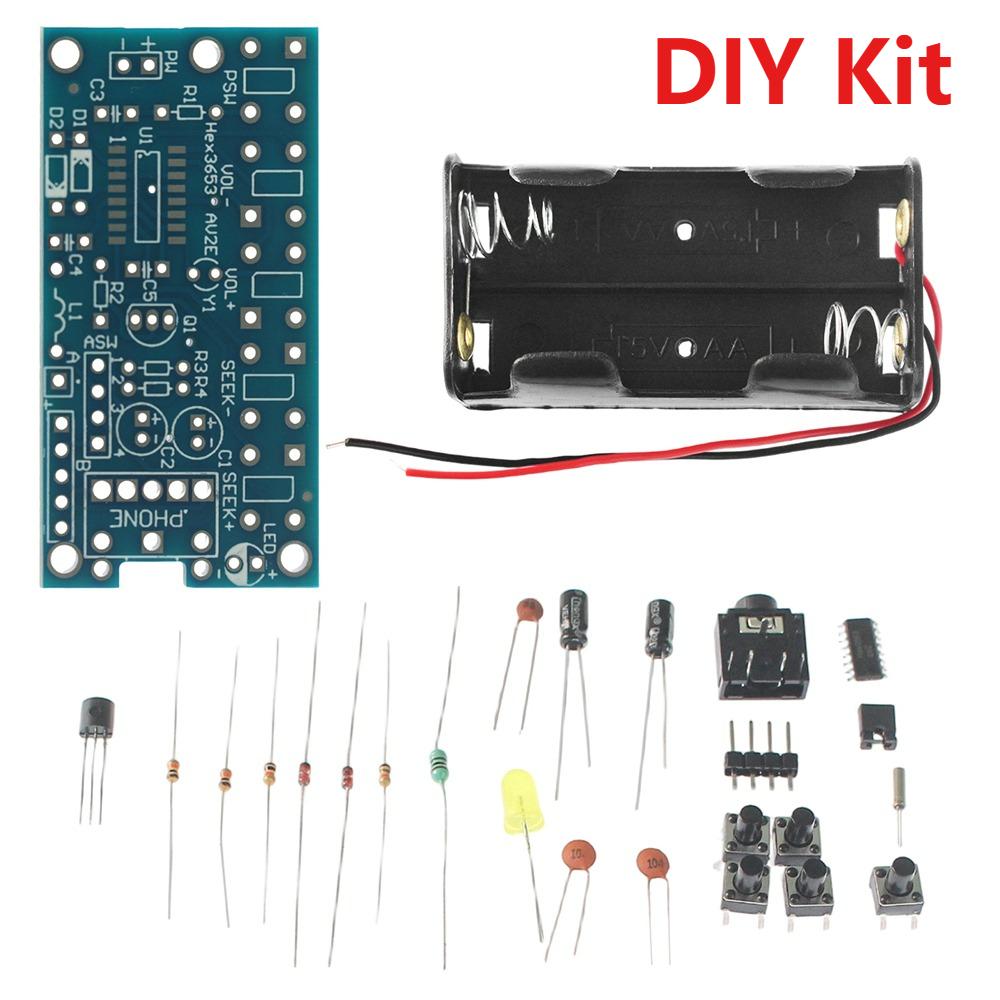
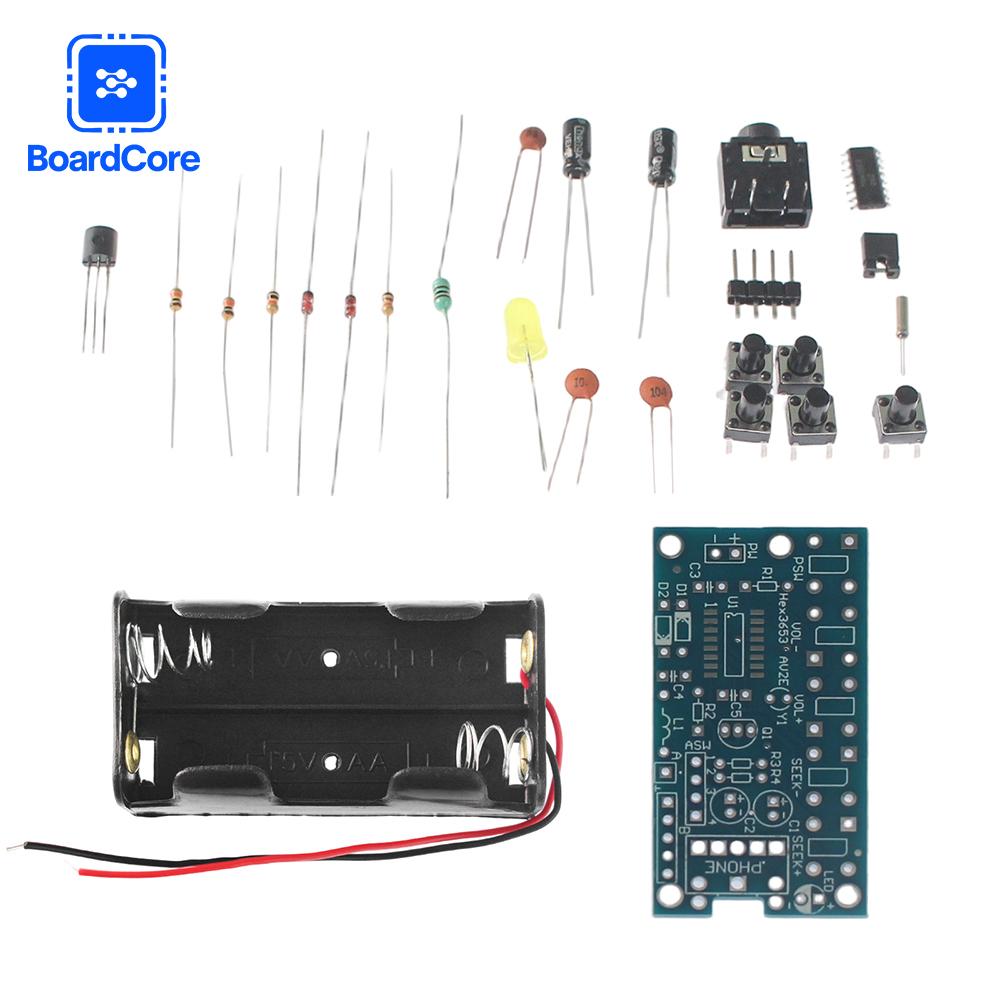
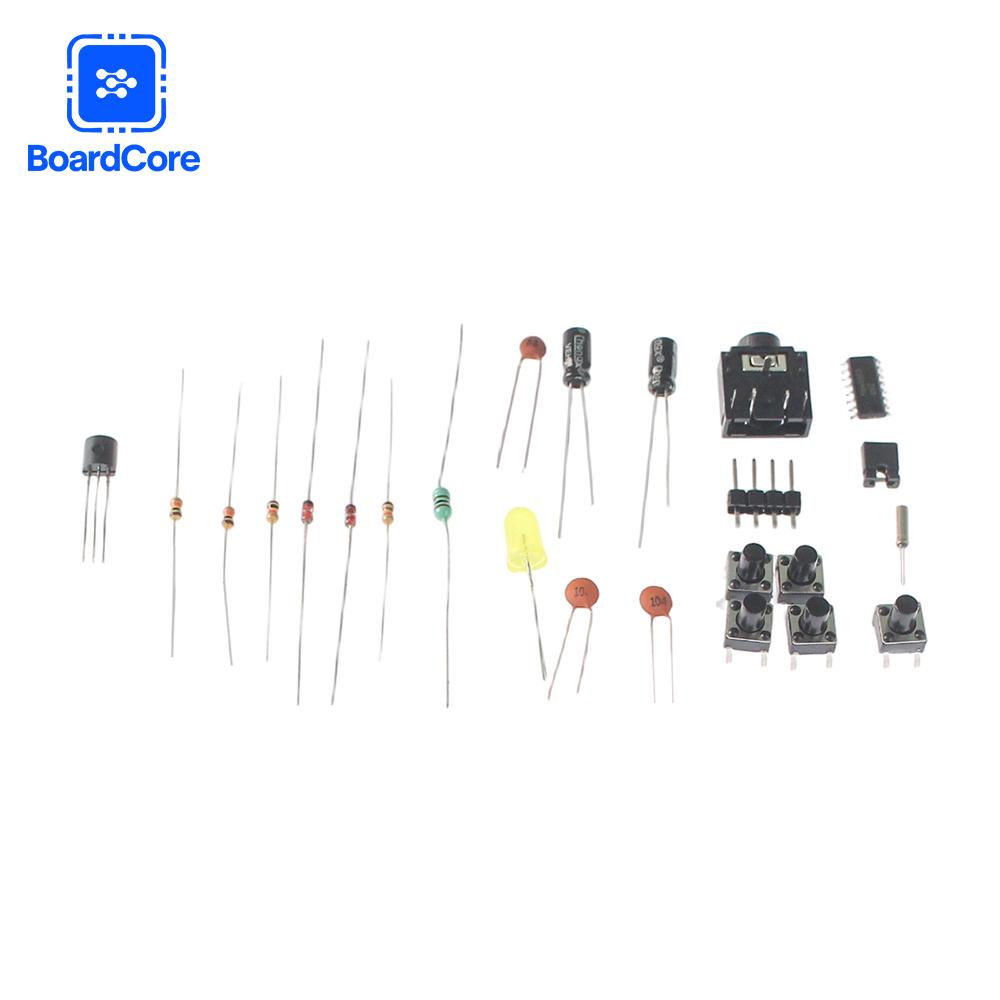
1. There are various types of electronic components in the kit, including resistors, capacitors, inductors, diodes, integrated circuits, headphone sockets, buttons, and more. There are also many types of basic components.
2. Learn electronic circuits.
3. Develop hands-on skills.
4. Use epoxy resin PCBs that are particularly suitable for student soldering, instead of the commonly used paper-based circuit boards!
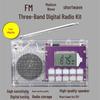
Frequency range: FM 76-108MHz is wider than the common 88-108MHz range!
Advantages of using this FM radio kit in school practical training: It is used for electronic production for electronic enthusiasts or students in electronic classes. This FM radio kit is specially optimized for beginners, especially for students or enthusiasts who are using welding tools for the first time. The arrangement of each component is easy to install and make, and the success rate is extremely high! Because it has been used in many schools, we know its performance. This kit is not only for welding and assembly, but also for adjusting and winding coils by oneself, which is more fun and superior to other simple assembly kits. The advantages of using headphones mainly consider the issue of classroom noise for students!
Note:
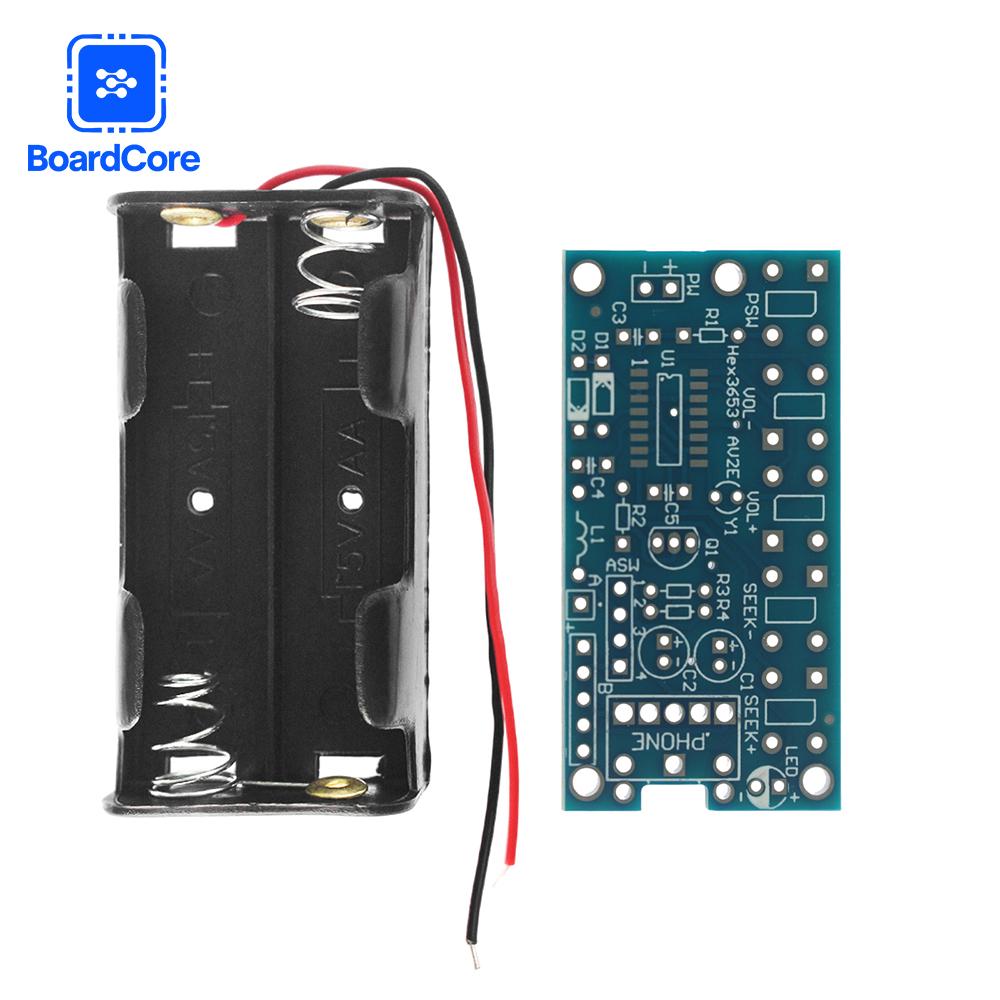
1. Products labeled as "DIY kits" are all loose parts and require you to weld and assemble them yourself
2. The production of the kit requires corresponding electronic technology and hands-on ability. Please confirm that you can complete the production!
Features and usage methods:
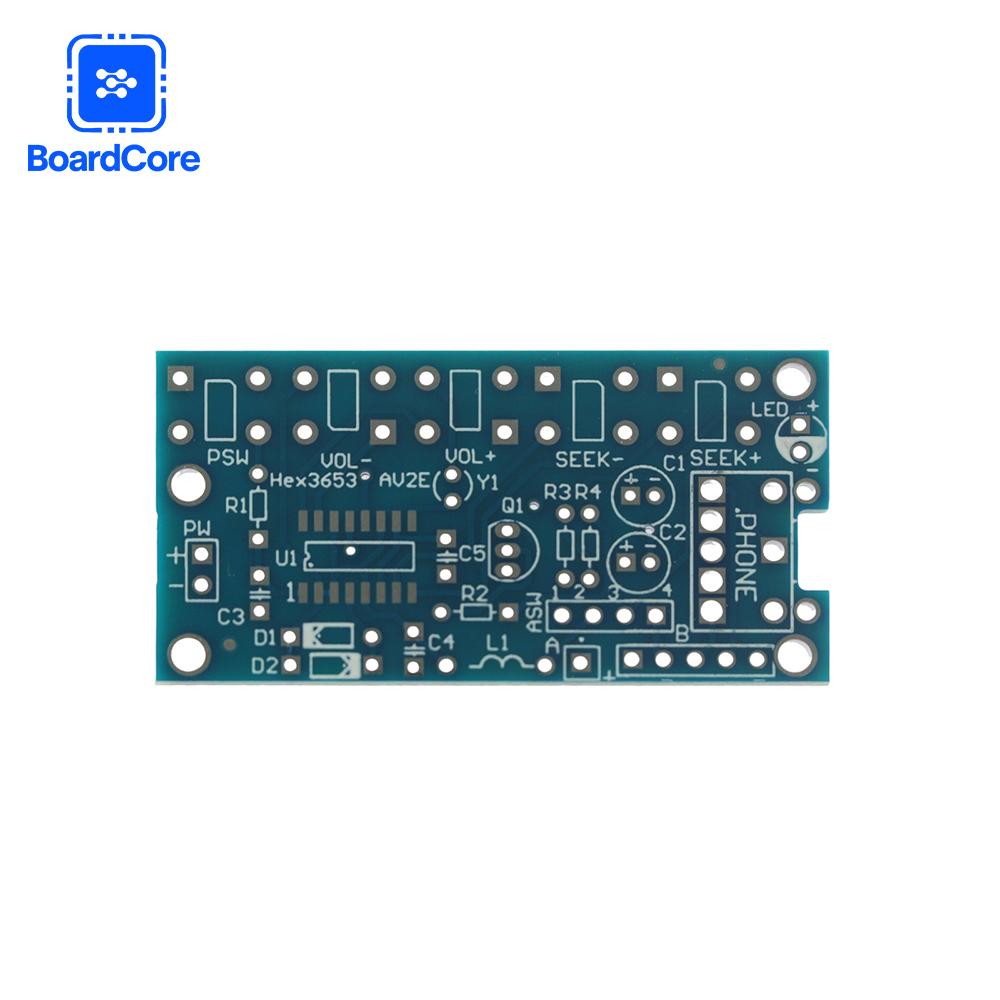
FM radio has the advantages of rich programs and good sound quality, and various regions have launched their own FM radio stations. This FM pocket computer radio kit adopts a dedicated integrated block, a 16 pin dual row flat package, and a working voltage of 1.8~3.6V. The circuit includes all the functions of the FM radio receiving the frequency discrimination output audio signal from the antenna, as well as a search and tuning circuit, a signal detection circuit, a mute circuit, and a frequency locked loop FLL circuit for compressing the frequency offset. The intermediate frequency of the circuit is designed to be 70KHZ, and the peripheral circuit does not require an intermediate frequency transformer. The frequency selection is completed by the internal RC intermediate frequency filter of the circuit. This machine uses electronic tuning buttons (SEEK+, SEEK -) like a digital tuning radio, as well as volume control buttons (VOL+, VOL -) and power switch buttons (PW). After the circuit is powered on, press the power switch button once, and the circuit will start working. Press SEEK+to search for the radio station at the high-end frequency or SEEK - to search for the radio station at the low-end frequency. The radio station signal will be automatically searched and the tuning will stop automatically. If you continue to press the search button, the circuit will continue to search for the radio station. The frequency range is 76-108 MHz. It can receive both general FM radio stations and campus radio stations.
Welding sequence:
First solder the surface mount components, then: 1. Resistors 2. Inductors 3. Capacitors 4. Diodes 5. Buttons 6. Earphone sockets and switches


 No-delivery refund