The website doesn't support your browser. Please update your browser or download a different one
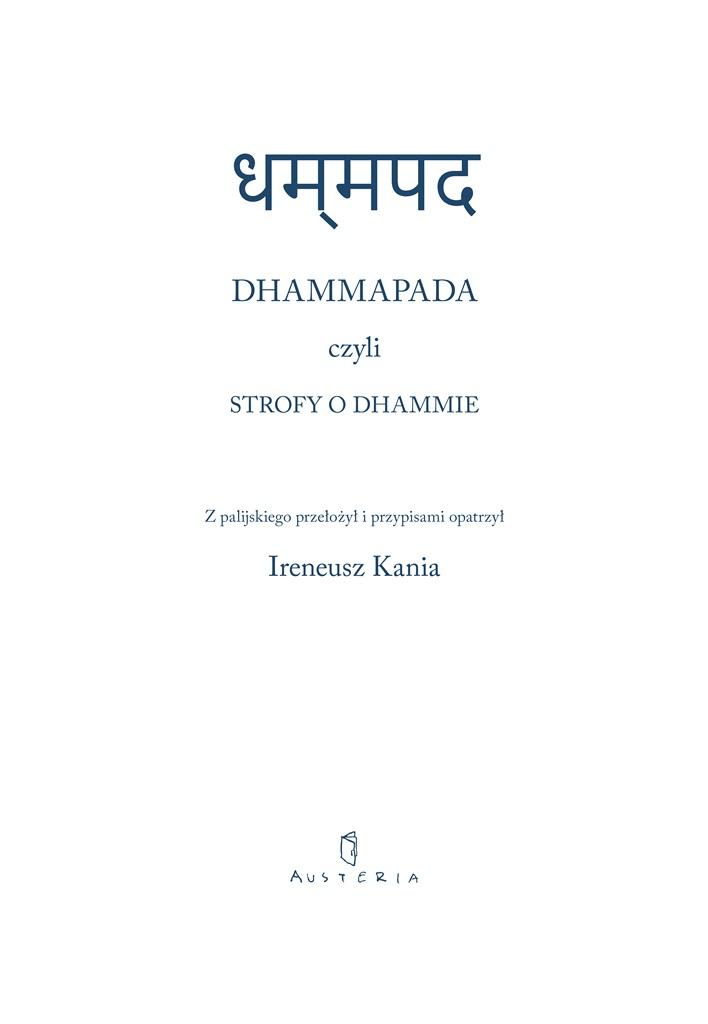
Dhammapada or Verses On the Dhamma
Current price
Price €19.31VAT and duties included
Loading...
Loading...
Loading...
Loading...
Loading...
Loading...
Loading...
Loading...
Loading...
Loading...
Loading...
Loading...
Loading...
Loading...
Loading...

Delivery to United Kingdom
Est. 0 business days · €3.50 per order

Secure checkout & data protection


 No-delivery refundQuality guaranteeSecure logisticsPrivacy protection
Safety & compliance
Description

SuperMerchantEU
Similar products