Worth knowing:
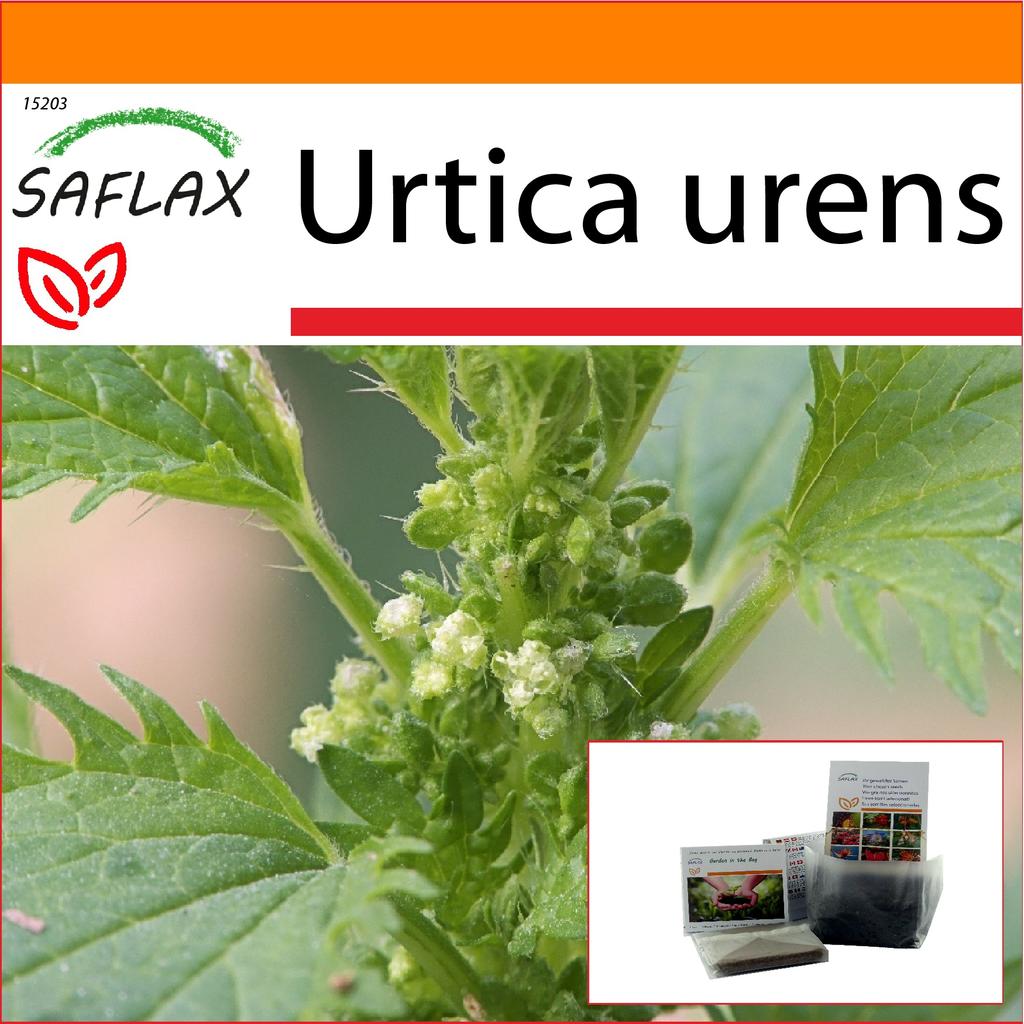
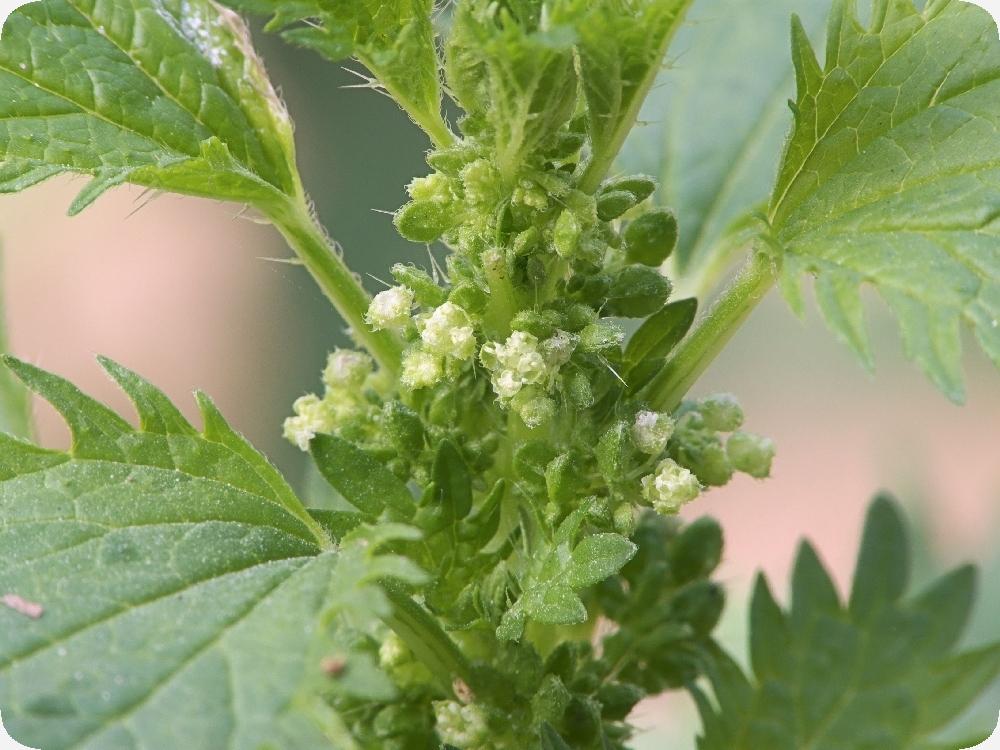
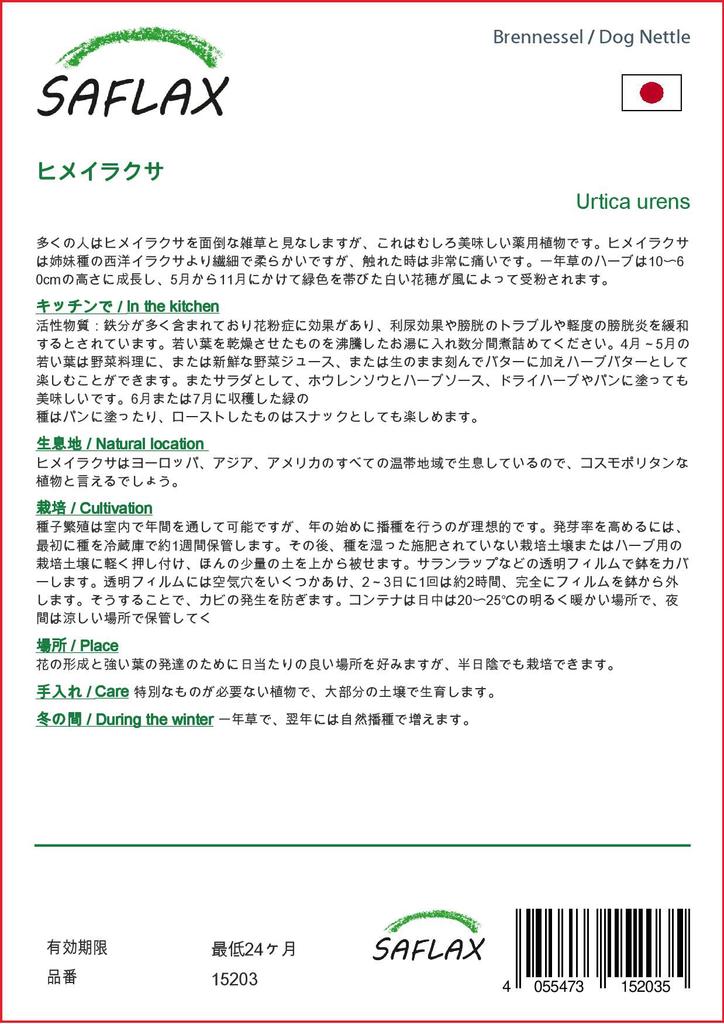
Most people see the Dog Nettle as an undesirable rambling weed, but above all it is a rather tasty medicinal plant. The small Dog Nettle is more delicate and tender than its big sister, the Urtica dioica, but it stings even more when touched. The annual, leafy and herbaceous plant grows between 10 and 60 cm high, and produces from May until November rather inconspicuous greenish-white flower spikes that are pollinated by the wind.
Natural Location:
The Dog Nettle is a real cosmopolitan plant since it can be found in all temperate regions in Europe, Asia and America.
Cultivation:
Seed propagation indoors is possible throughout the year. However, the ideal time for propagation would be the beginning of the year. To increase the germinability, you should initially keep the seeds in the refrigerator for about a week. After that, slightly press the seeds onto non-fertilized moist potting compost or herb-substrate and put only very little compost earth on top. Cover the seed container with clear film to prevent the earth from drying out, but don’t forget to make some holes in the clear film and take it every second or third day completely off for about 2 hours. That way you avoid mold formation on your potting compost. Place the seed container somewhere bright and warm with a temperature between 20°C and 25°Celsius during the day, and a preferably cool temperature during the night. Keep the earth – for instance with a water sprayer – moist, but not wet. Depending on the propagation temperature, the first seedlings will come up after two to four weeks. In April, the seedlings can be planted out in the garden, while setting them up about 20 cm apart from each other.
Place:
The Dog Nettle prefers a sunny place for flower formation and to develop strong leaves, but it can also settle in shaded spots.
Care:
The Urica urens is a rather modest plant without any special needs and can grow in most soils.
During the winter:
The small Dog Nettle is an annual plant and multiplies through self-seeding the next year.
Picture credits:
- © © Rasbak - CC-BY-SA-3.0 - http://creativecommons.org/licenses/by-sa/3.0
- © Frank Laue - © Saflax - http://www.saflax.de/copyright
- © Frank Laue - © Saflax - http://www.saflax.de/copyright
- © Rasbak - CC-BY-SA-3.0 - http://creativecommons.org/licenses/by-sa/3.0
- © - -
- © - -
- © - -
- © - -
- © - -







 No-delivery refund