Worth knowing:
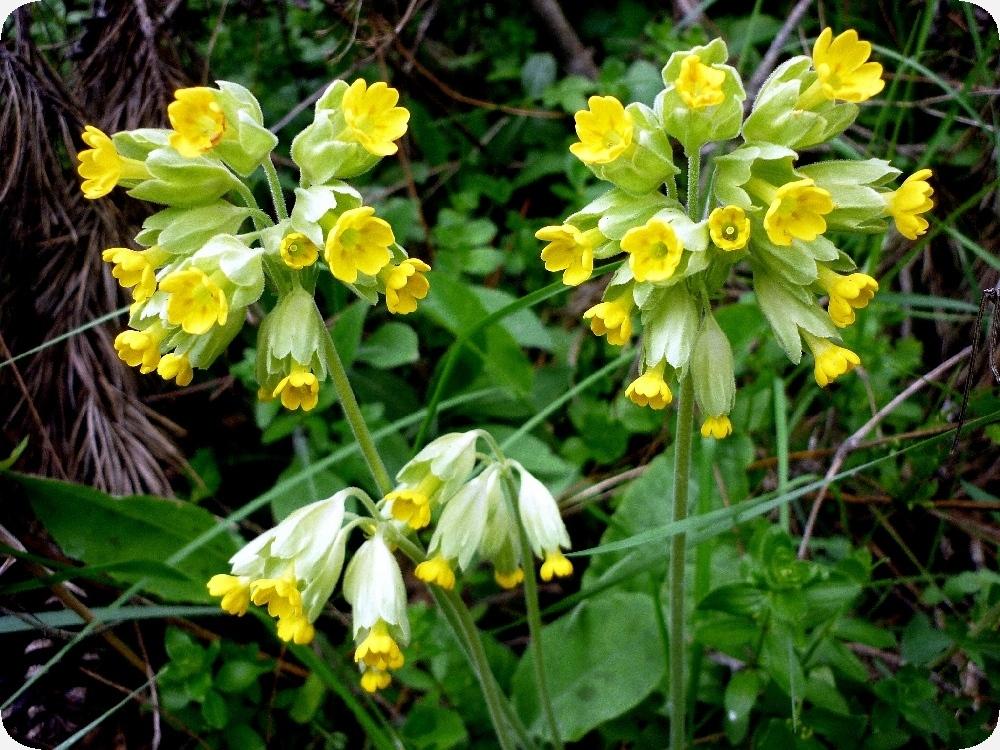
The Primrose grows between 8 and 30 cm high and is mostly be found in small or bigger groups. From the leave rosettes with oval-shaped leaves, it develops the stalk with the blossom. The Primrose is one of the first blooming plants in spring and shows its egg yolk yellow, strong scented flowers, depending on the location, either from April until June in the North, or from February until May in the South. Since it doesn’t naturally grow in the Mediterranean region, it was not known as medicinal plant in ancient times. The Primrose was discovered much later and its healing effects were recorded for example by Hildegard of Bingen.
Natural Location:
The Primrose has its natural habitat in large parts of Europe and the Middle East where it grows mainly on meadows in deciduous forests. In Germany it is a strictly protected plant.
Cultivation:
The Primrose is a cold germinator, and the seeds should be kept initially for about four to six weeks at a temperature between -4° C and +4° Celsius. You can achieve these conditions by seeding outdoors in autumn. Seed propagation indoors, however, is possible throughout the year, while keeping the seeds in the refrigerator for the initial cooling period. Cover the seeds only slightly with the potting earth or special soil for herbs after planting. With indoor propagation, also cover the seed container with clear film to prevent the earth from drying out, but don’t forget to make some holes in the clear film and take it every second or third day completely off for about 2 hours. That way you avoid mold formation on your potting compost. Place the seed container somewhere bright and warm with a temperature between 15°C and 20°Celsius and keep the earth moist, but not wet. It may take a couple of weeks until germination.
Place:
The Primrose prefers a sunny or half-shaded place and limy, loose soil.
Care:
Water the plant regularly during longer dry periods. During blossoming, you may carefully pluck the flower heads and place them immediately in the shade for drying. In autumn or spring, you can dig up the roots, clean and cut them, and then dry the pieces in a lukewarm oven.
During the winter:
The Primrose hibernates subterraneously with a durable, short and thick rhizome.
Picture credits:
- © © Isidre blanc - CC-BY-SA-4.0 - http://creativecommons.org/licenses/by-sa/4.0
- © Frank Laue - © Saflax - http://www.saflax.de/copyright
- © Frank Laue - © Saflax - http://www.saflax.de/copyright
- © Isidre blanc - CC-BY-SA-4.0 - http://creativecommons.org/licenses/by-sa/4.0
- © - -
- © - -
- © - -
- © - -
- © - -











 No-delivery refund